
Things to Do in La Ventana, BCS: 4 Days Among Munk's Devil Rays, Wind, and Desert
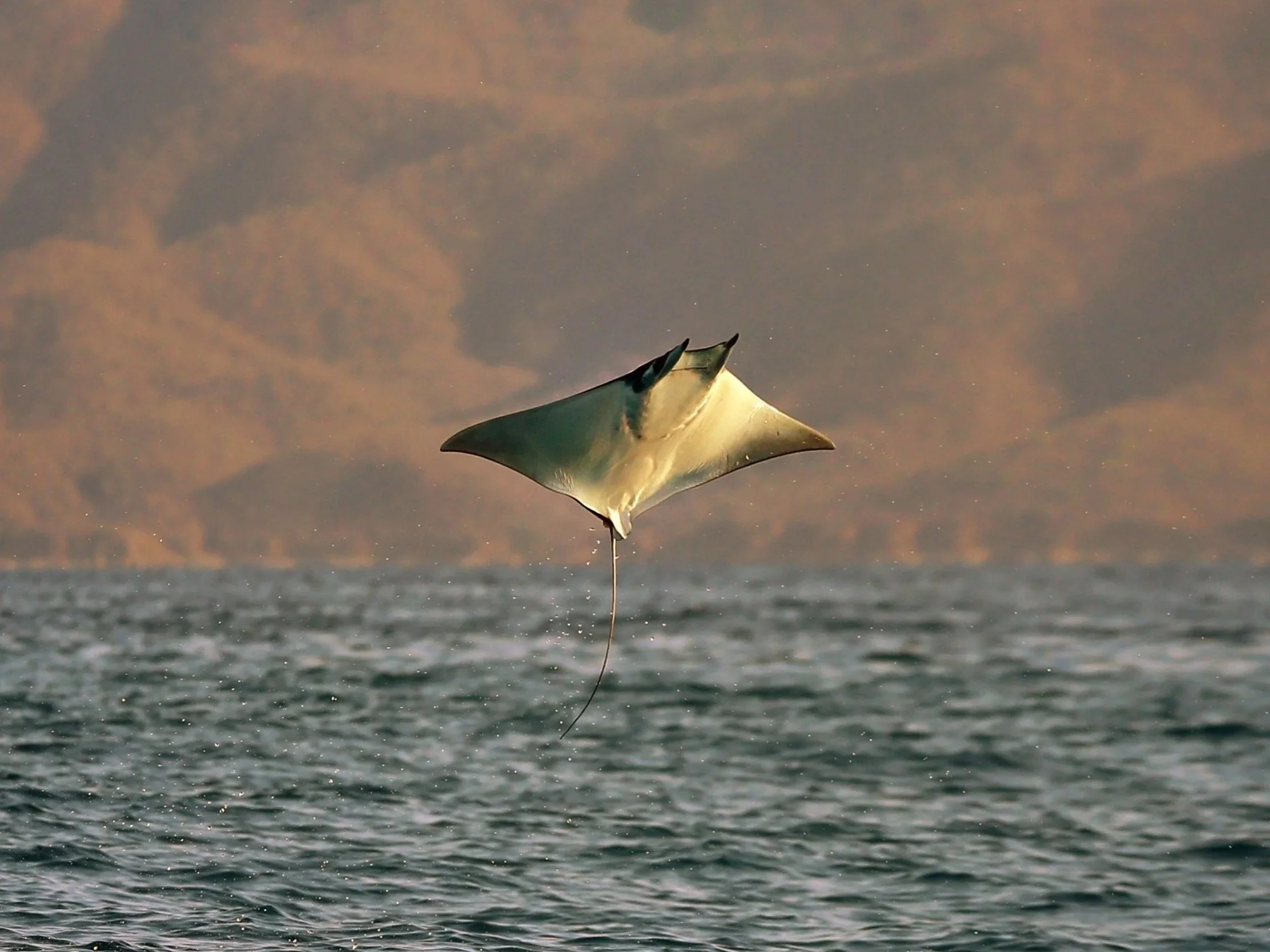
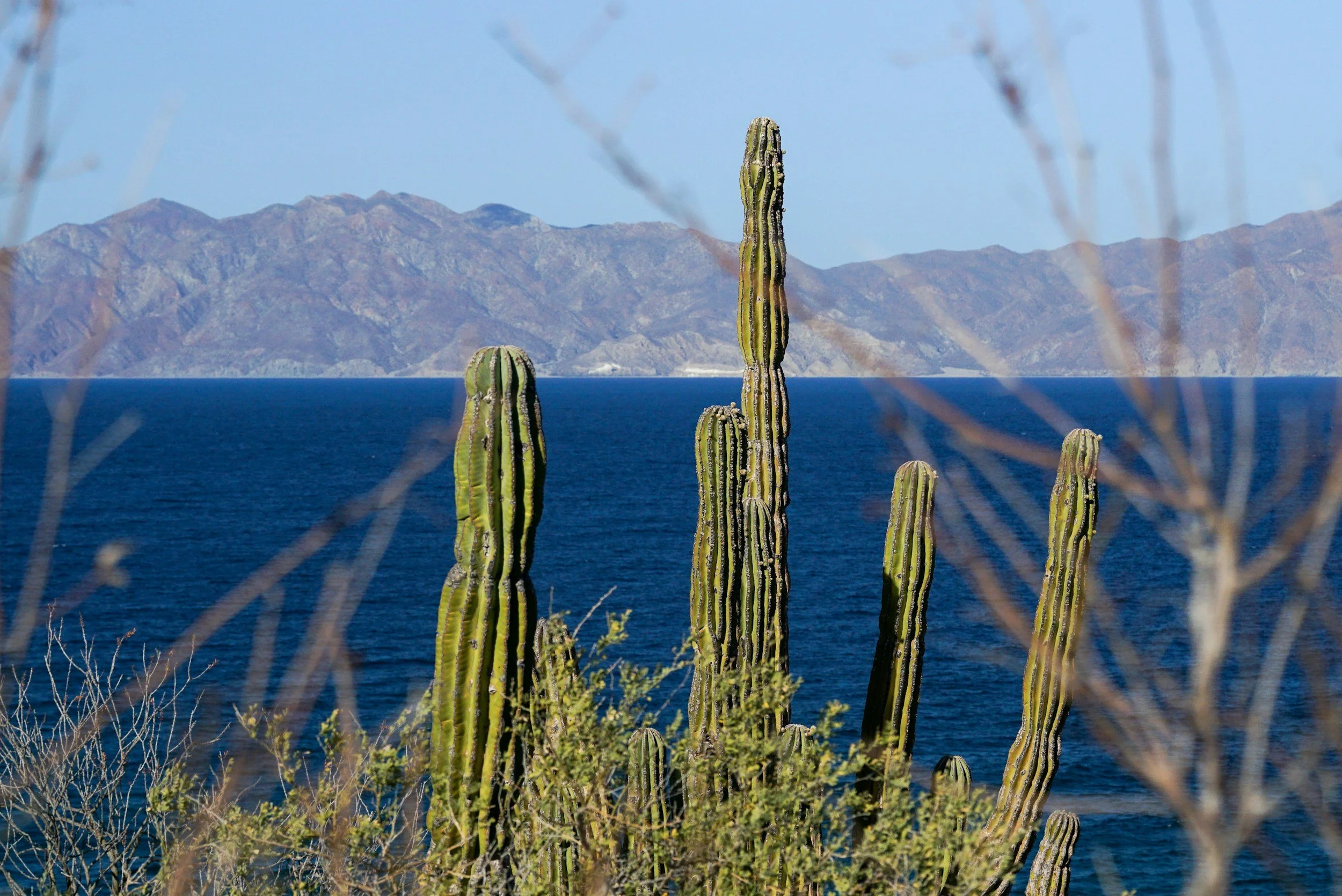
Forty minutes south of La Paz, where the road ceases to be a road and becomes a path winding through cardon cacti, lies La Ventana. Facing the Sea of Cortez—the same body of water that Jacques Cousteau called “the world’s aquarium” due to its more than 900 marine species— this village of dirt roads is one of Baja California Sur’s best-kept secrets: a global mecca for kitesurfing in winter, a gathering spot for schools of mobula rays in spring, and, year-round, one of the few places in Mexico where luxury is still measured in silence, wind, and the horizon.
Four days is just enough time to understand why La Ventana is unlike any other destination in the country. This guide offers an itinerary that combines the sea, the desert, the local community, and the local cuisine, without feeling like a checklist. The idea here isn’t to see everything—it’s to see it well.
How to get to La Ventana
Fly to Manuel Márquez de León International Airport (LAP) in La Paz. From there, it’s about a 40-minute drive along the road to El Sargento. Many travelers arrive a day early to relax in La Paz, but it’s also possible to go straight there: the road winds through cardon cactus fields and opens up to the bay ahead. You simply can’t help but stop and take it all in.
Rent a car at the airport. There is no reliable public transportation, and once you’re in town, taxis are scarce. The dirt roads within La Ventana and El Sargento—its neighboring town, which is practically part of it—are accessible even in a sedan. It’s worth noting that both towns form a single functional unit: lodging, restaurants, and schools are spread out between the two.
Suggested itinerary: 4 days in La Ventana
Day 1 — Arrival and orientation
Arrive early so you can have the afternoon to yourself. Settle in, put your phone away, and take a stroll through town: it’s small, with just one main street running between La Ventana and El Sargento. Sunset here is a spectacle: the sun sinks behind the mountains while the sea turns copper. Have dinner at Pólvora, in the cactus field, 4 km from downtown. Make a reservation in advance if you’re visiting during peak season.
Day 2 — The Sea
An early morning departure on a small boat. If you travel between May and July, this is the best time to see schools of manta rays: hundreds—sometimes thousands—of them moving in silent, choreographed formation underwater and, on certain mornings, leaping in unison above the surface. The most respectful way to experience this is by snorkeling or free diving, never scuba diving, because the bubbles scare them away.
Even outside manta ray season, the ocean remains the star of the show: dolphins, sea lions from Cerralvo Island, whales passing through depending on the month, and, with any luck, orcas crossing the Gulf as they hunt among the schools of fish.
For this trip , we recommend Nativo Expediciones, a family-run business based in El Sargento that spent decades engaged in traditional fishing in these very waters and now operates ecotourism tours in the Sea of Cortez. They know the bay better than anyone: the currents, the seabed, and the fish schools’ schedules. A day-long expedition with them combines deep local knowledge with a genuinely responsible approach.
You return to land with salt on your skin. Have dinner later at La Guayaba Tostada: a small palapa where chef Sergio cooks in full view. Ceviches, sashimi, and creative takes on local fish. Cash or bank transfer only.
Day 3 — Earth: desert, island, or wind
A day of contrasts. Three options depending on the season and pace:
If you're visiting in the winter (November through March): take a kitesurfing, windsurfing, or wingfoiling lesson. La Ventana is one of the world's best destinations for thermal wind sports.
If you prefer the mountains: there are mountain bike trails through the cactus groves (check out the La Ventana Trail System on Trailforks). For hiking, the mountains behind the town offer short trails with sweeping views of the Bajío region.
If you want more of the ocean: head to Cerralvo Island —officially known as Jacques Cousteau Island—one of the most biodiverse spots in the Gulf. Sea lions, snorkeling, and a nearly untouched white-sand beach.
A light dinner or a private dining experience. The key here isn't to schedule anything else, but to leave room for the day to sink in.
Day 4 — A Slow Farewell
Sunrise on the beach. A leisurely breakfast at Pólvora —open from 8:00 a.m., with its own bakery and specialty coffee—. Head back to La Paz with plenty of time to spare. If you have an hour to spare, stop at one of the hidden beaches along the route before the airport.
Where to Stay in La Ventana
Accommodation options in La Ventana range from premium campsites to beachfront rental homes. The choice depends, above all, on the type of trip you're looking for.
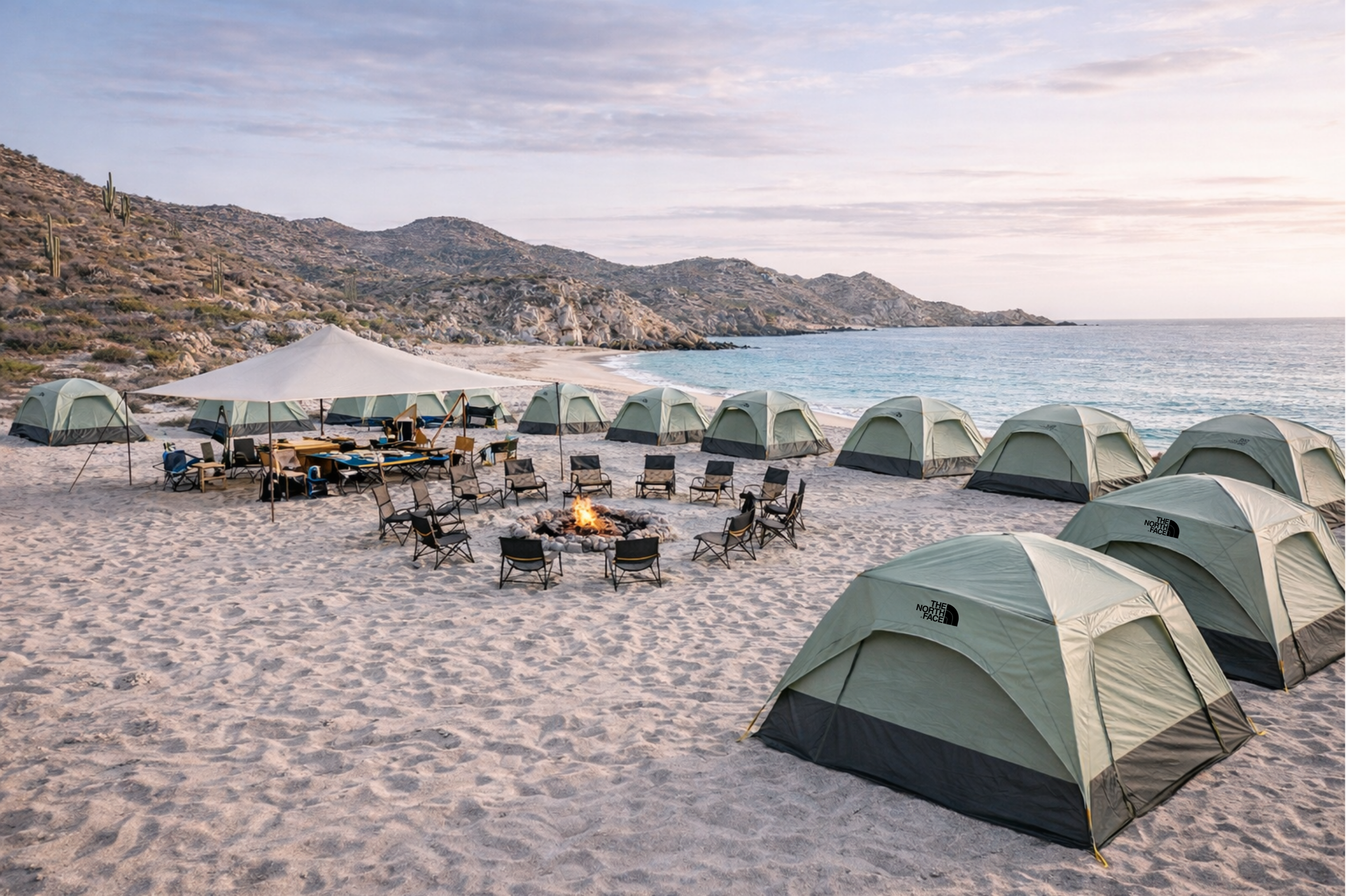
Akampa Expedition Camp (powered by The North Face). A luxury camp facing the Sea of Cortez, designed to experience manta ray gatherings in comfort without losing touch with the environment. Fully equipped tents, curated cuisine, private bathrooms, and daily excursions included. The perfect choice for those seeking design, hospitality, and a genuine connection with the phenomenon.
Palapas Ventana. A beachfront boutique hotel featuring palapas, with a laid-back vibe and a focus on water sports. A great base for those who want independence with services.
Ventana Bay Resort. One of the most established options in town, with beachfront cabins, its own restaurant, and a focus on kitesurfing.
Baja Joes. Kite-focused lodging , popular with the international kiteboarding community. Social atmosphere and on-site kite school.
Casa Tara. A beachfront wellness retreat specializing in yoga, spa treatments, and rejuvenating experiences for those seeking a more introspective journey.
During peak season—December through March for kitesurfing, May through July for mobula sharks—spots sell out months in advance. Book early.
Where to Eat in La Ventana
The town's food scene is surprisingly vibrant for its size. Here are the recommendations that, in our experience, make up the must-visit guide.
Pólvora
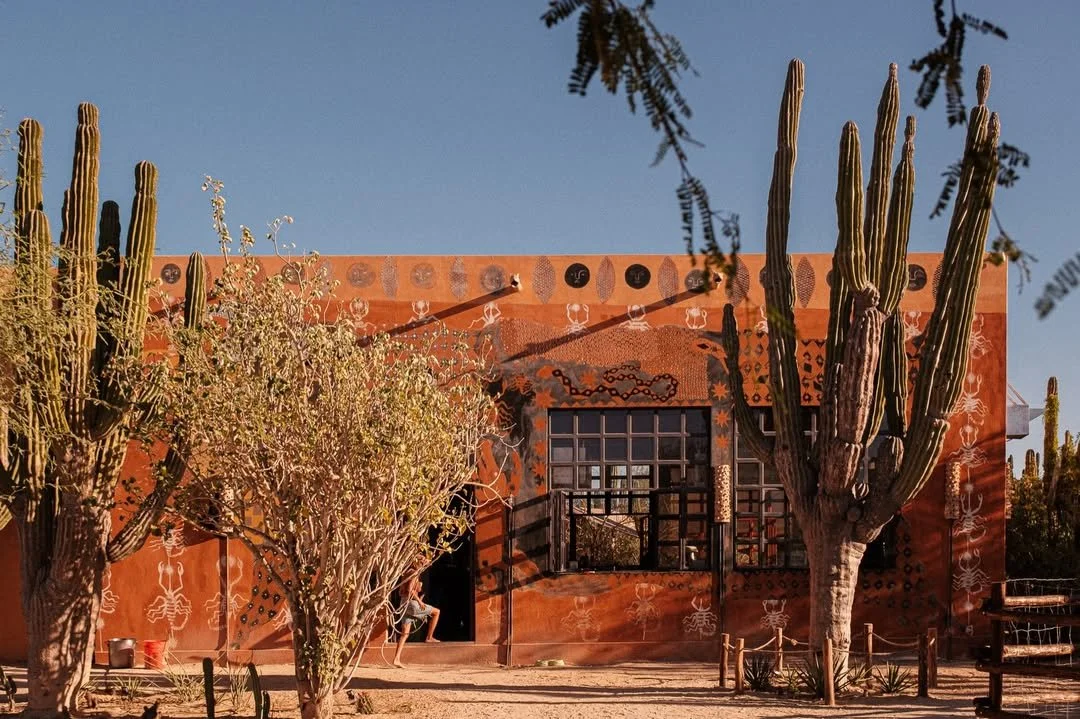
A restaurant nestled within a cactus forest, featuring a live music stage, a small art gallery, an in-house bakery, and a specialty coffee shop. The cuisine is eclectic—Mediterranean with Mexican influences—and the atmosphere effortlessly blends sophistication with a desert vibe. It’s the perfect spot for leisurely breakfasts and dinners by soft lighting. Carretera al Sargento km 4, Cerralvo corridor. Reservations recommended. Hours: Tuesday through Sunday 8:00 am – 1:30 pm; Thursday through Saturday also 5:00 pm – 10:00 pm.
La Guayaba Tostada
An intimate thatched-roof hut where Chef Sergio works in full view of diners. Ceviches, tostadas, and sashimi made with the catch of the day and combinations rarely seen in Baja: fermented foods, local citrus, and creative takes on fresh fish. It operates almost like an informal omakase. In a year or two, it will likely cease to be a hidden gem. Cash or bank transfer only.
General recommendations
Mariscos El Cone: shrimp tacos and grilled fish. A local institution; cash only.
Cebollajo: tasting menu with Oaxacan influences. By reservation only.
Marlin Azul: fresh fish of the day, family-friendly atmosphere.
Baja Bites: quick fish tacos —perfect after a day at the beach.
Most small businesses only accept cash or bank transfers. Be sure to bring cash with you.
Other must-do activities
Kitesurfing, windsurfing, and wingfoiling
La Ventana is one of the world’s most renowned destinations for thermal wind sports. Between November and March, the north wind—known locally as El Norte—blows consistently in the afternoon at speeds of approximately 15 to 25 knots in a sheltered, shallow bay. These conditions are ideal for both beginners learning the ropes and advanced riders looking to get in a session.
Well-known schools in town: Baja Joes Kite School, La Ventana Kite Camp, and Elevation Kiteboarding. Almost all of them offer beginner lessons, equipment rentals, and weekly kite camps.
Every January, La Ventana hosts the Lord of the Wind, one of the most renowned kitesurfing and wingfoil competitions on the continent. It’s well worth timing your visit to coincide with the event if you’re interested in the sport: the whole town comes alive.
Yoga and Wellness
Casa Tara offers yoga classes, retreats, and beachfront spa treatments. Yogalina by KayKay, at Baja Joes, offers classes specially designed for kitesurfers: stretching, flexibility, and recovery. A mid-morning session is the perfect way to unwind after an intense day on the water.
Mountain biking and hiking
The La Ventana Trail System, listed on Trailforks, offers beginner-friendly routes through the cactus scrub, with sweeping views of the bay. The El Sargento Trail System is more technical and recommended for intermediate and advanced riders. For hiking, the mountains behind town feature short trails that are perfect at sunrise or sunset, when the low-angle light illuminates the desert.
Scuba diving, snorkeling, and free diving
Beyond the manta rays, the waters off La Ventana offer diving and snorkeling year-round, with varying visibility and abundant marine life. Kraken Divers is one of the town’s certified operators. For freediving, several international schools offer training courses. Freediving is the most intimate—and respectful—way to encounter the megafauna of the Sea of Cortez.
Cerralvo Island (Jacques Cousteau Island)
Just a few miles off the coast, this island is one of the most biodiverse spots in the Gulf of California. Sea lions, snorkeling among tropical fish, and nearly pristine beaches. Most tour operators offer day trips that include lunch. An excursion that completely changes your perception of the Sea of Cortez.
Dark Skies and Astro-Tourism
La Ventana has extremely low levels of light pollution. Moonless nights offer exceptional views of the Milky Way, especially between April and September. Spread a blanket on the sand outside the village and let the sky do the rest. If you’re interested in a more technical experience, there are occasional telescope sessions led by local astronomers.
Who is La Ventana for (and who isn't it for)
La Ventana isn't a destination for every traveler, and that's part of its appeal.
This is for:
Look for unspoiled nature, not tourist infrastructure.
He enjoys getting up early and eating fresh fish.
He is willing to sacrifice material comforts in exchange for genuine access to marine phenomena.
Appreciate purposeful design and unpretentious, thoughtful hospitality.
Travel with curiosity, not with expectations of an all-inclusive vacation.
This is not for:
Looking for nightlife, shopping, or resort-style beaches?
You need fast Wi-Fi at all times and marked tourist routes.
Expect infrastructure similar to that of Los Cabos or the Riviera Maya.
A practical note that underscores this point: cell service works but isn’t reliable, and while there’s Wi-Fi in hotels and restaurants, it doesn’t offer city-level speeds. This, in part, is what makes the destination what it is.
Best time of year to visit La Ventana
There are three seasons you should be aware of before choosing a date:
May through July: manta ray season . We recommend this time of year if you’re interested in seeing this marine phenomenon. Warmer waters, longer days, and calmer seas in the morning.
November through March: windy season . If you're looking to kitesurf or enjoy long sessions on your board, this is the time. The afternoons are windy and consistent.
September and October: transition . Fewer people, calm seas, and a chance to spot migratory wildlife.
Sooner or later: what to pair with La Ventana
La Ventana feels different when you take your time exploring it, but its location makes it easy to extend your trip to nearby destinations without losing the sense of cohesion. Three options that work especially well:
La Paz (40 minutes). It’s worth spending a full day exploring the boardwalk, the local breweries and galleries, and, above all, taking a trip to Isla Espíritu Santo: sea lions, kayaking, and snorkeling in one of the country’s best-preserved nature reserves.
Todos Santos (2 hours). A " Magical Town" on the other side of the peninsula. Surfing, contemporary art, notable restaurants, and a blend of fishing traditions and emerging creativity. Ideal for extending your trip by two or three nights at the end.
Cabo Pulmo (3 hours). A marine national park and one of the most studied reef restoration projects in the world. World-class diving and snorkeling. It serves as the perfect contrast: La Ventana is all about wind and desert; Cabo Pulmo is all about reefs and teeming marine life.
Common Mistakes When Visiting La Ventana
After running expeditions here for several seasons, we’ve noticed some recurring patterns among first-time visitors. The most common ones are:
If you arrive in the middle of the afternoon on the first day, you'll miss the sunset and your first dinner—which is when the destination really starts to reveal itself.
Don't assume you can walk everywhere. The distances between accommodations, the beach, and restaurants are short by car but uncomfortable on foot, especially in the sun.
Don't make restaurant reservations in advance. Pólvora , Cebollajo, and La Guayaba Tostada fill up quickly during peak season.
Trusting that credit cards will work. Many places only accept cash or bank transfers. Without cash on hand, you’re out of luck.
Look for mobula rays with a scuba tank. The bubbles scare them away. Snorkeling and free diving are the right ways to go.
Wait for the kiteboarding season and the mobula season to overlap. These are different seasons: wind in the winter, mobulas starting in May. Plan your trip based on the experience you're looking for.
Overloading the itinerary. La Ventana calls for a slower pace. Kitesurfing in the morning, mobula sharks at noon, and Isla Cerralvo in the afternoon isn’t about experiencing it—it’s about exhausting it.
La Ventana’s transformation from a fishing village to a nature tourism destination took place in less than two decades, and few stories illustrate this better than that of Nativo Expediciones. Before becoming ecotourism operators, the members of this family made their living from small-scale fishing in the Sea of Cortez. They knew the seabed, the currents, and the routes of the large schools of fish because their livelihood depended on it. Today they use that same knowledge to take travelers to encounter manta rays, dolphins, and sea lions: without nets, with respect.
Their story is not just a romantic exception—it is the model. When nature is worth more alive than extracted, the incentives shift. Fishermen become the best guardians of the ecosystems they once exploited, because they now depend on them in a different way. That is, in essence, what conservation tourism can achieve when it is well designed.
Mobula rays are a sensitive species: fast boats, large groups, and bubble diving disrupt their natural behavior and reduce the chances of future sightings. The simplest rule for traveling responsibly here is to choose operators who work with small groups, maintain a safe distance, do not chase the animals, and prioritize snorkeling or free diving. This isn’t a moralistic recommendation: it’s the only way to ensure this phenomenon continues to exist in five, ten, or twenty years.
La Ventana Expedition Camp
Our experience in La Ventana
At Akampa, we designed the Móbulas & Megafauna Safari with this in mind. Four days, three nights, a luxury beachfront camp, strategically timed excursions in small boats, expert interpretation of the shoals and tidal currents, snorkeling and free diving as the primary ways to encounter marine life, and a team that lives in the area year-round.
We’re not offering a checklist of activities. We’re offering a rhythm: sunrise by the sea, an after-dinner chat in the desert, dinner with those who know this place inside out. And, above all, a journey that gives back to the local community rather than taking from it.
👉 Check out the dates, details, and availability of our Manta Rays & Megafauna Safari in La Ventana.