
Social and environmental impact
Our conservation strategy in Magdalena Bay, BCS.
Download our 2025 Impact ReportOur low-impact camp model
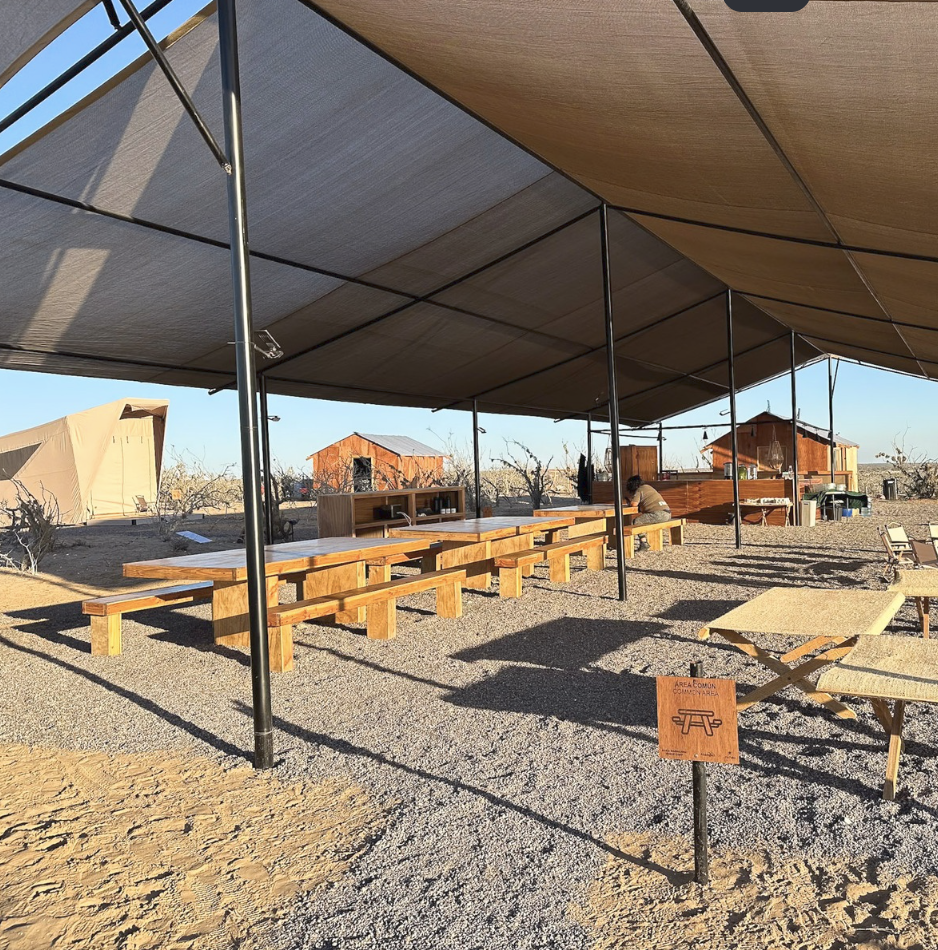
Akampa's camp model is designed for high economic and social impact, with the smallest environmental footprint we can manage.
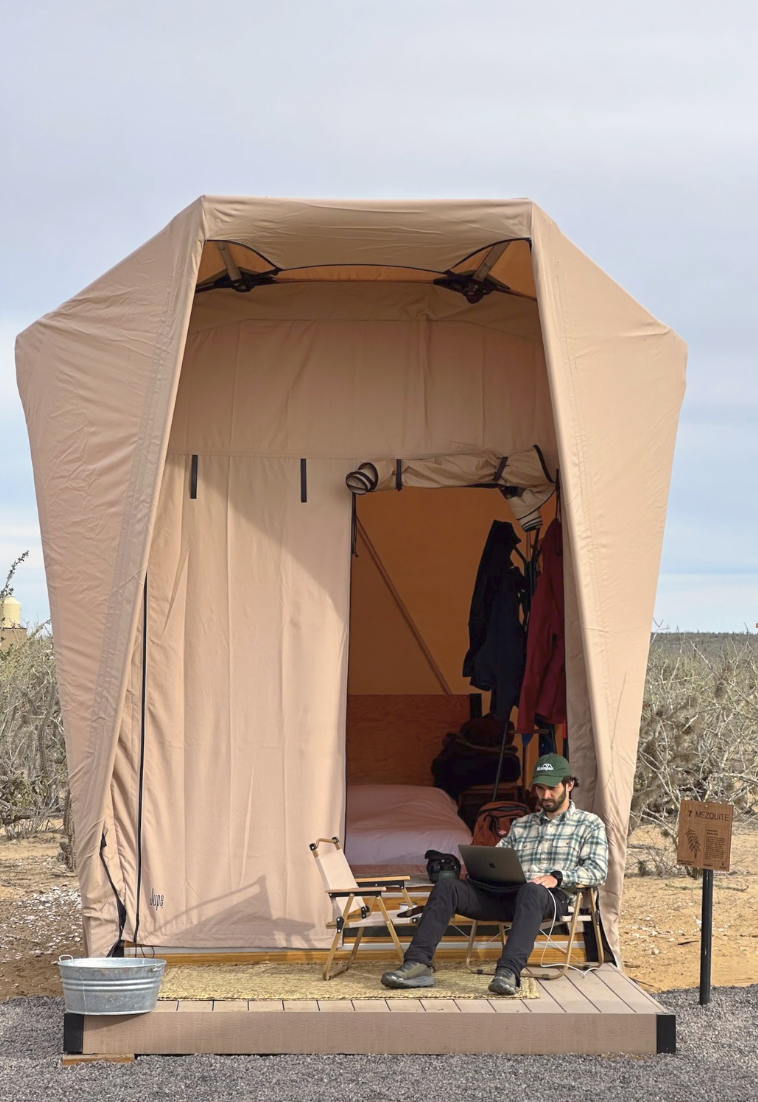
We build to take down: prefabricated luxury tents that need no rebar and no permanent foundations, so the installation is fully reversible and leaves no structural change to the ground.
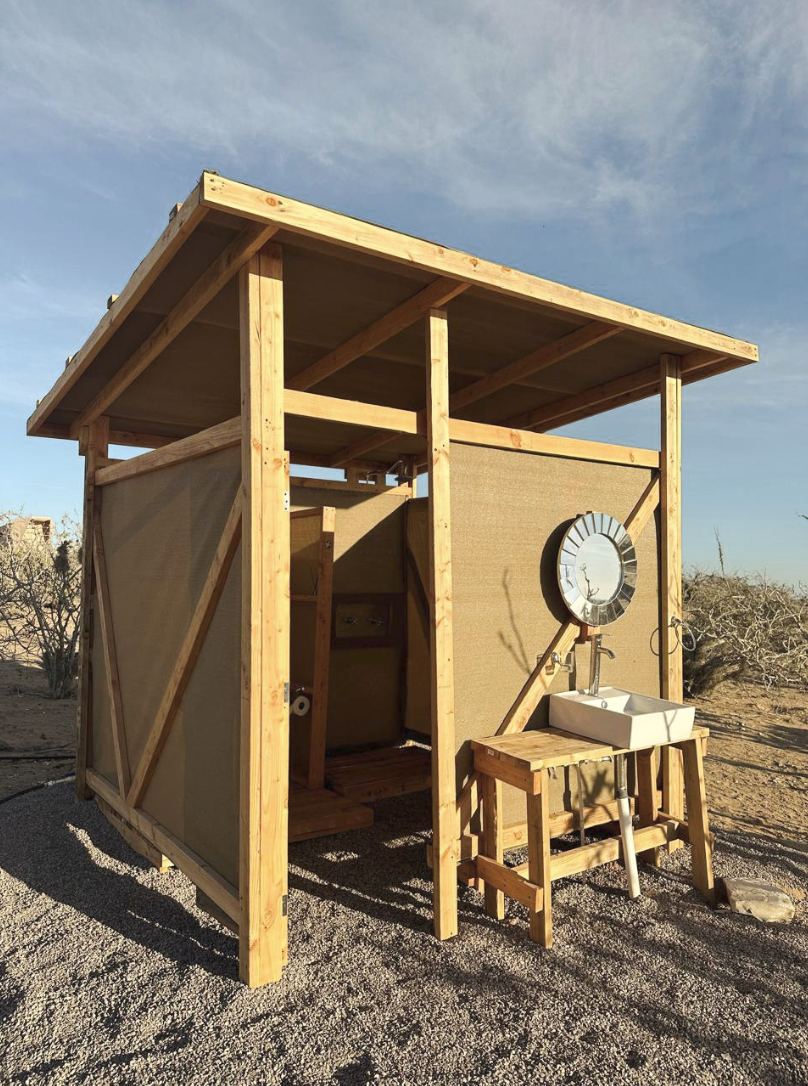
We run five low-impact bathroom modules with showers and toilets, which keeps water use down and unnecessary infrastructure out. Energy consumption is intentionally low: today we run on lithium batteries backed by a diesel generator, with a clear transition to a 100% solar system by 2028.
This lets us grow revenue without growing our environmental impact, and keeps profitability aligned with an operation that adapts to the place it sits in.
Our conservation strategy in Magdalena Bay
Magdalena Bay is one of the most important marine and coastal ecosystems in the eastern Pacific. Its productivity and biodiversity make it a key site for migration, breeding and feeding across many species. It also faces growing pressure from human activity, poorly managed tourism and climate change.
Our aim is to conserve the Magdalena Bay ecosystem over the long term, keeping its biodiversity, marine productivity and key ecological functions intact through a systemic approach to sustainability.
A framework for the systemic conservation of Magdalena Bay
Aspiration
Conserve the Magdalena Bay ecosystem over the long term, maintaining its biodiversity, marine productivity and key ecological functions.
Measurement, learning and continuous adjustment
Akampa as an enabler
The Akampa experience: the magic of a(k)amping
Hover or tap each item to learn more
This strategy defines the framework under which Akampa contributes to conservation in practice in Magdalena Bay. It doesn't replace existing scientific, regulatory or community efforts; it complements them from where we stand, showing that well-designed tourism can be part of the solution.
A whole-system approach
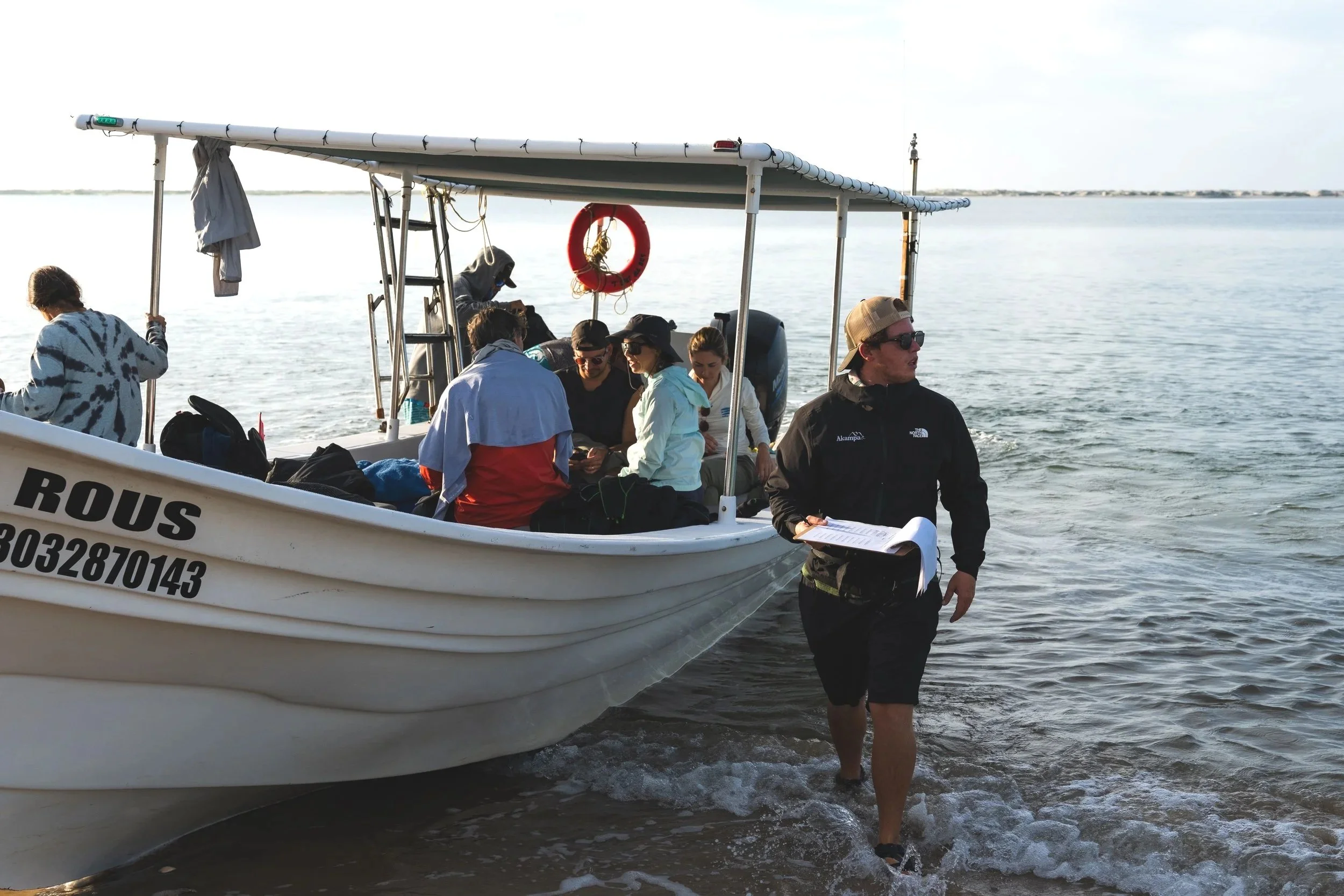
We understand Magdalena Bay as a living system where nature, local communities and economic activity are deeply connected. So our strategy isn't limited to reducing impact; it's about creating the conditions for conservation to hold over time.
Akampa contributes to that system as an enabler: we run immersive experiences in nature that generate local economic value, environmental awareness and direct support for conservation.
Our areas of action
- Community economic sustainability
- Environmental education and awareness
- Applied conservation
- Responsible environmental impact
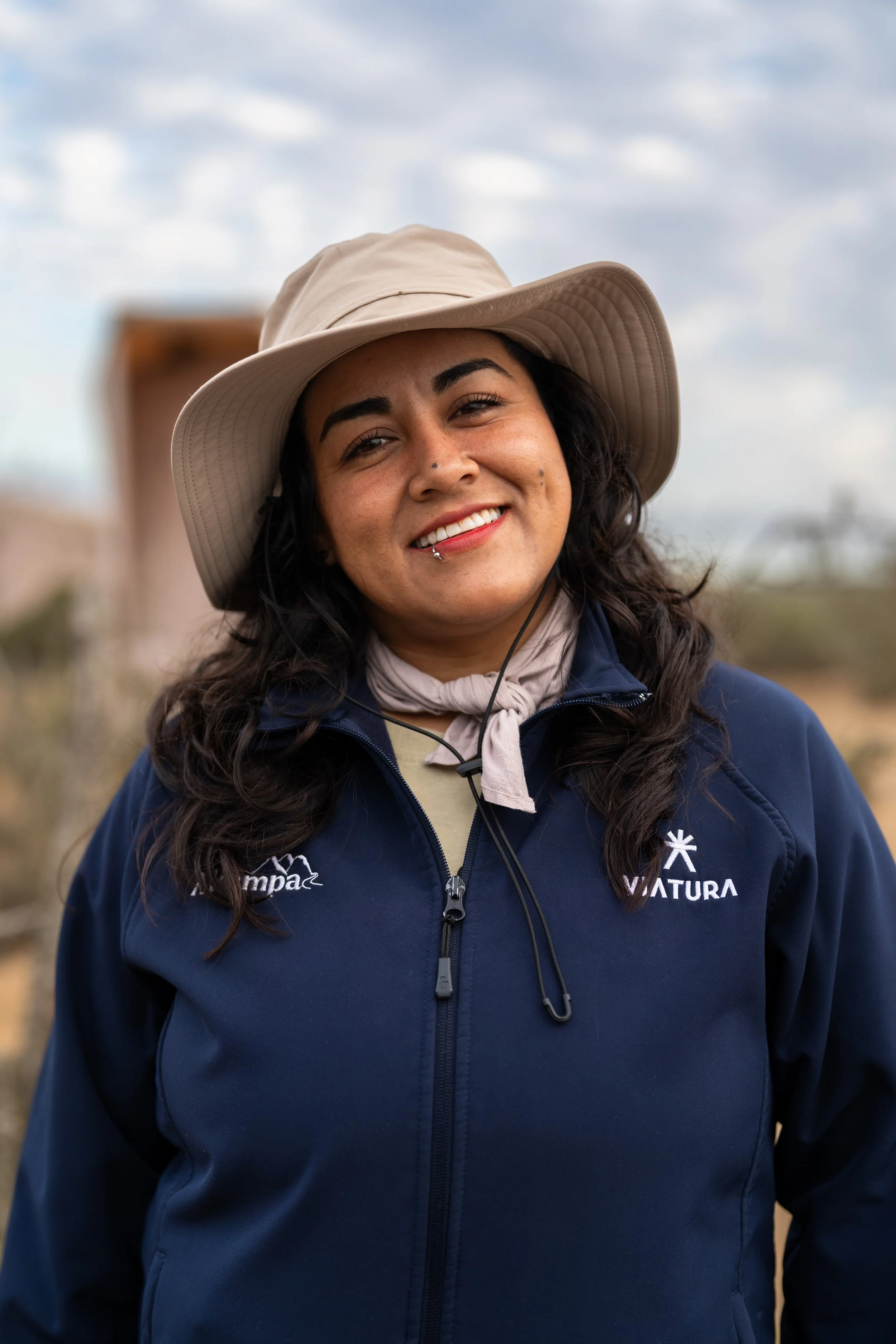
Community economic sustainability
We recognize that conservation is only possible if it generates local value. That is why we work to integrate communities economically through employment, local suppliers, and capacity building for a sustainable tourism economy.
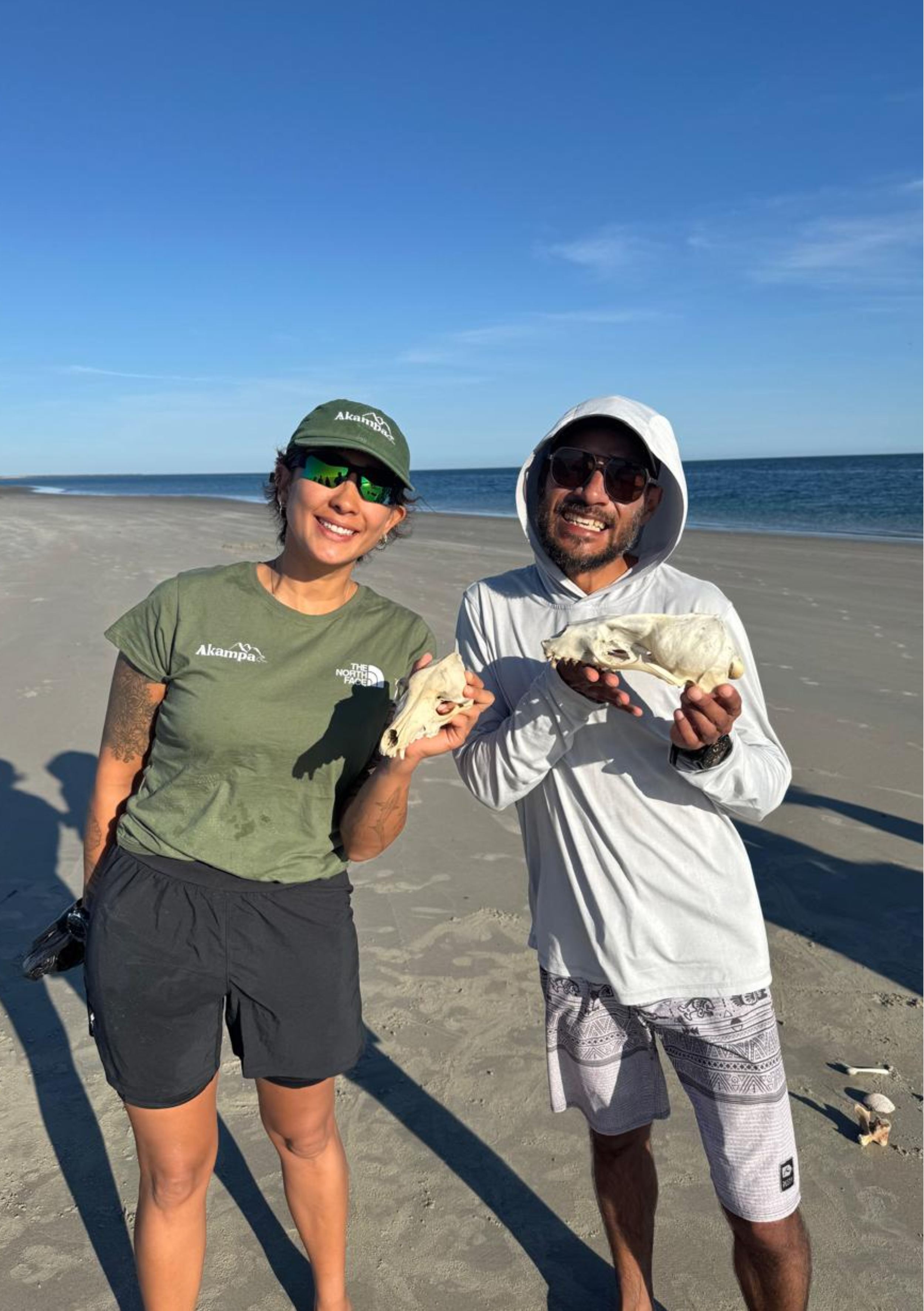
Environmental education and awareness
We recognize that conservation is only possible if it generates local value. That is why we work to integrate communities economically through employment, local suppliers, and capacity building for a sustainable tourism economy.
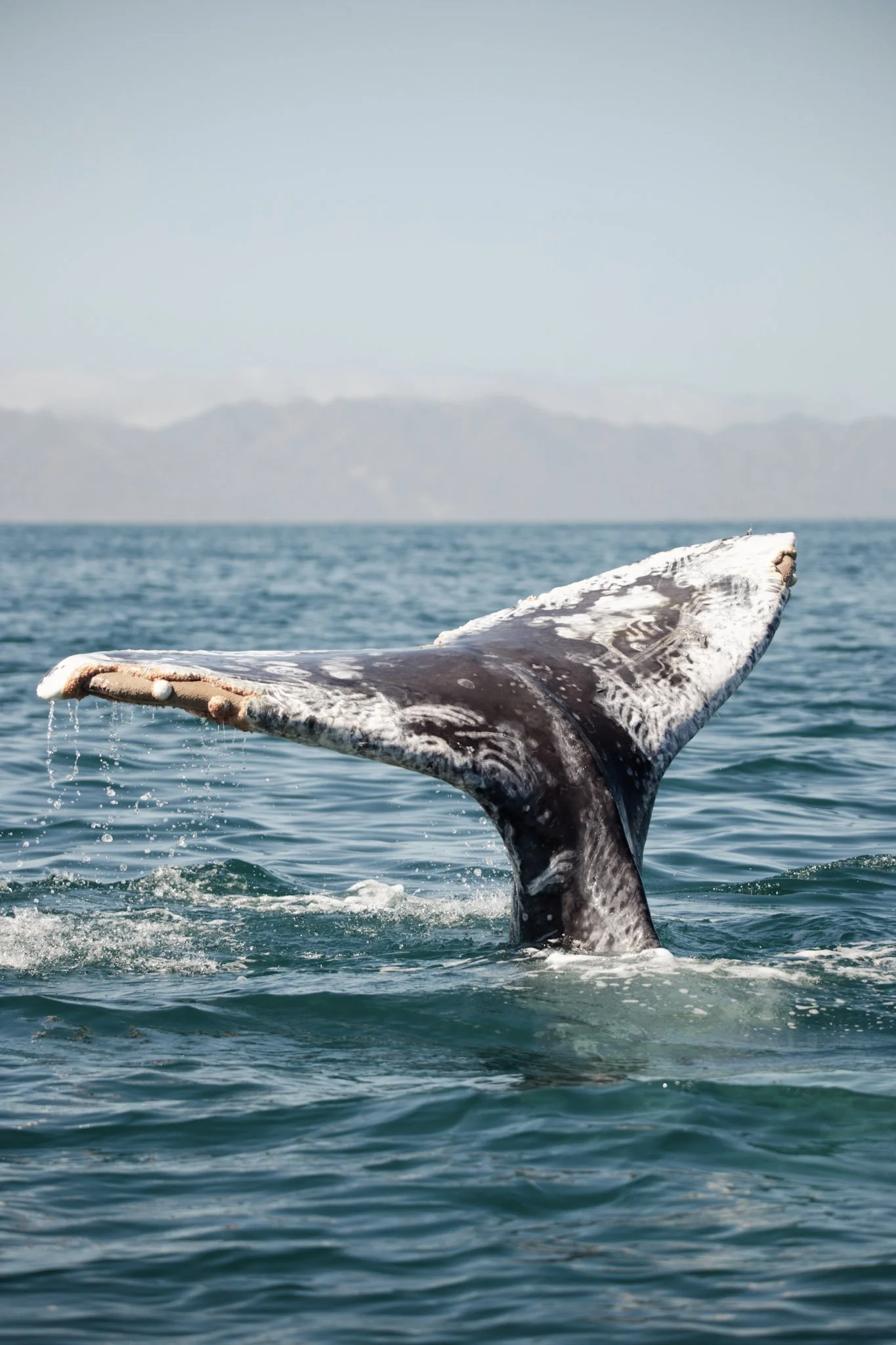
Applied conservation
We collaborate with and support initiatives focused on key species and ecological processes, aligning our operations with the natural cycles of the ecosystem.
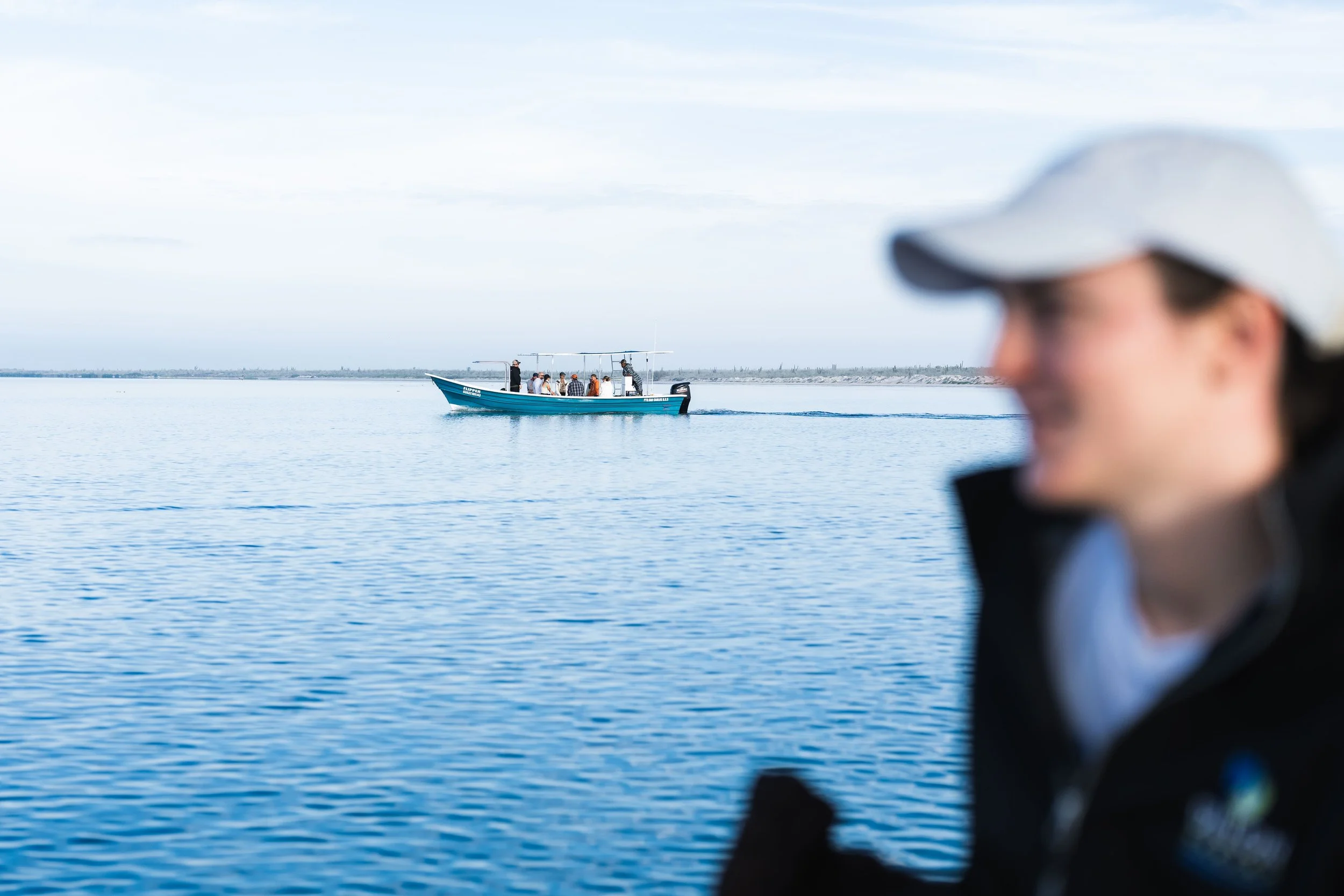
Responsible environmental impact
We continuously measure and reduce the impact of our operations by optimizing resource use, managing waste, setting clear limits on camp capacity, and improving our environmental practices season after season.
Our story is just beginning.
At Akampa we want a more sustainable, more humane world. Every experience we design is built to make our role in it — society and planet — harder to ignore.