
Experiences
Best Time to See Gray Whales in Baja California Sur
August 29, 2025
The Gray Whale Migration: A Journey That Has Spanned Millennia
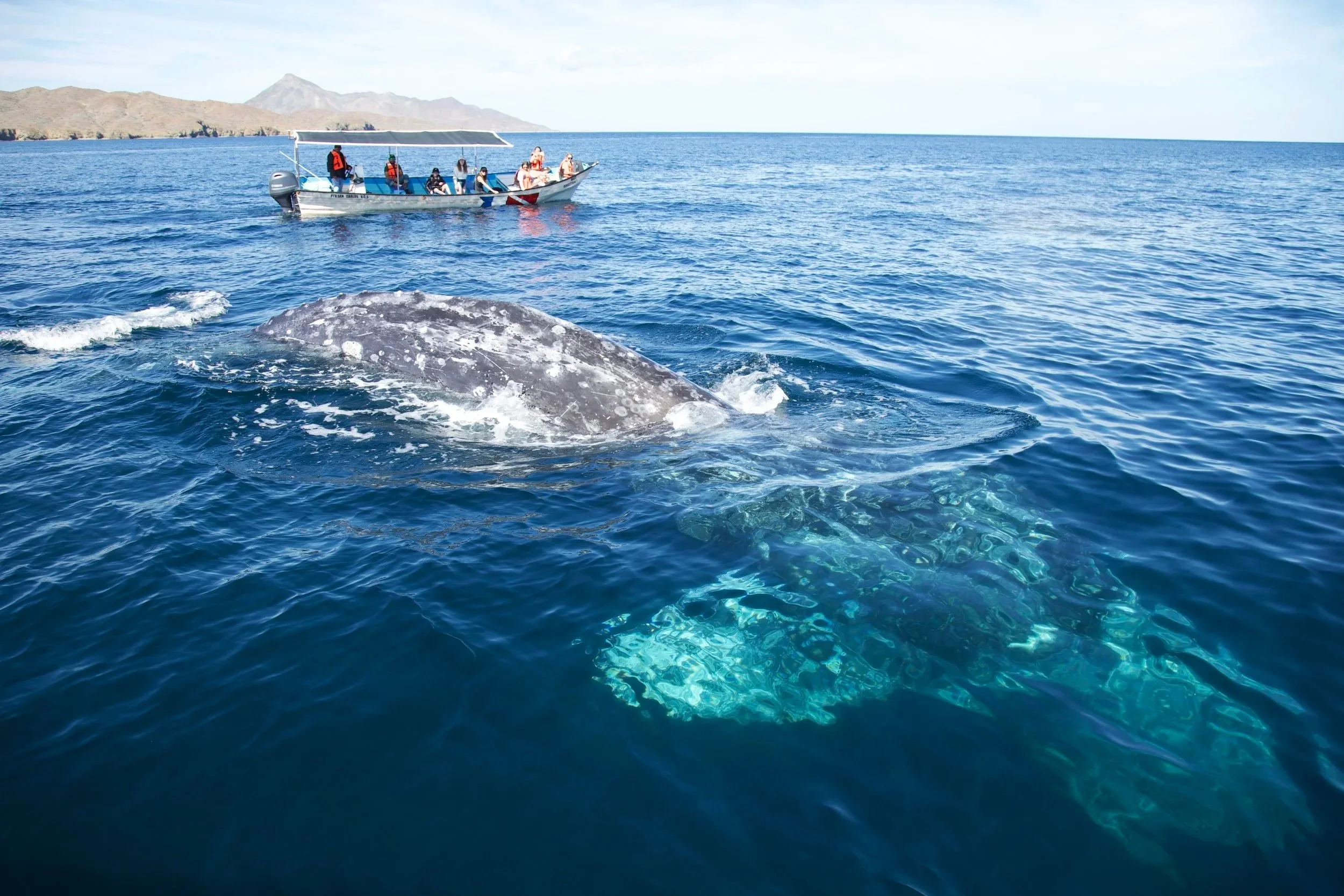
Every winter, gray whales undertake one of the longest journeys in the animal kingdom. They travel more than 10,000 kilometers from the Arctic to the calm lagoons of Baja California Sur. This journey, which lasts several weeks, has taken place continuously for thousands of years and is essential to the species’ survival.
In the lagoons, the whales find an ideal environment: shallow, warm waters safe from predators. Here they give birth to their calves and nurse them before setting out once again on the long journey back north.
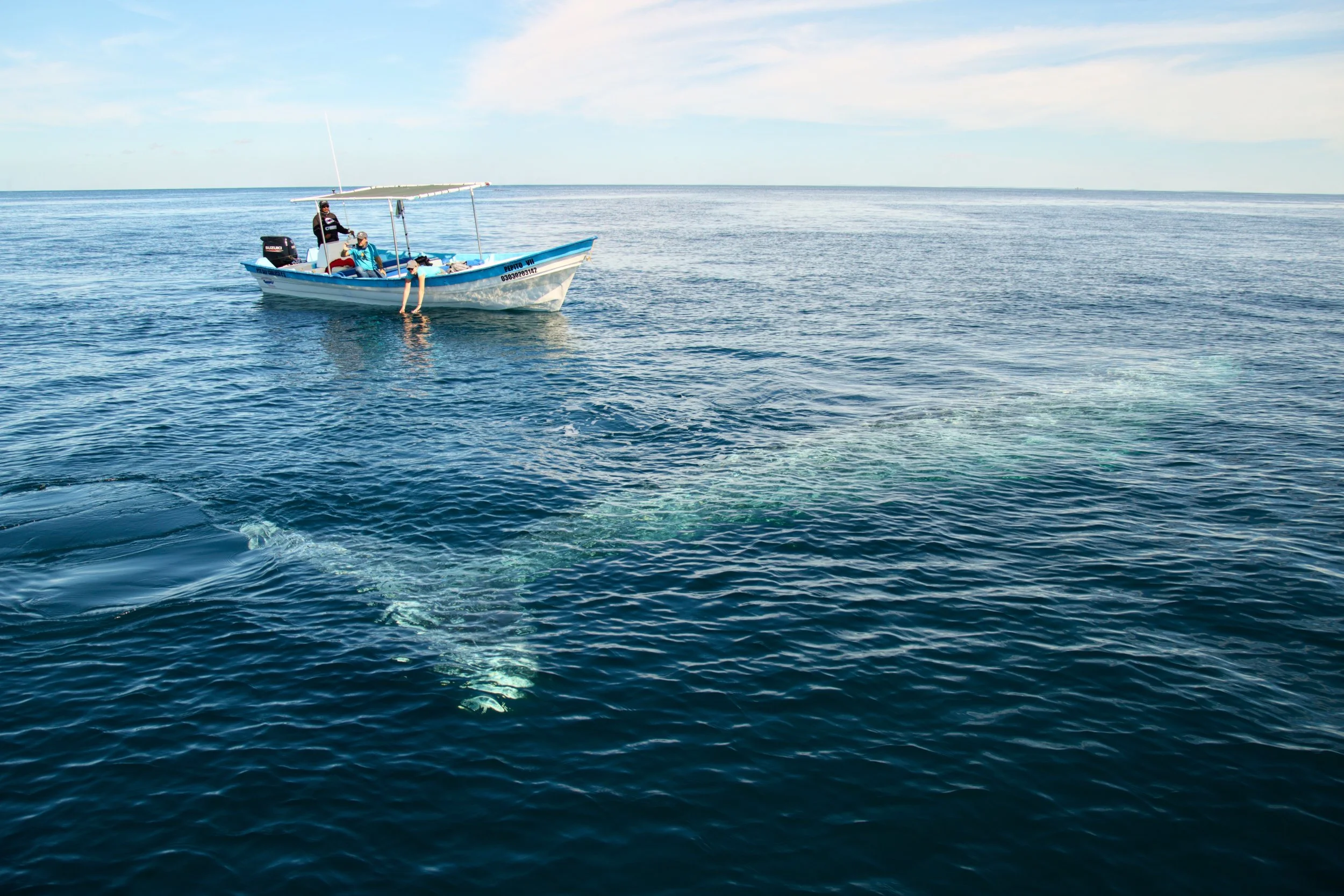
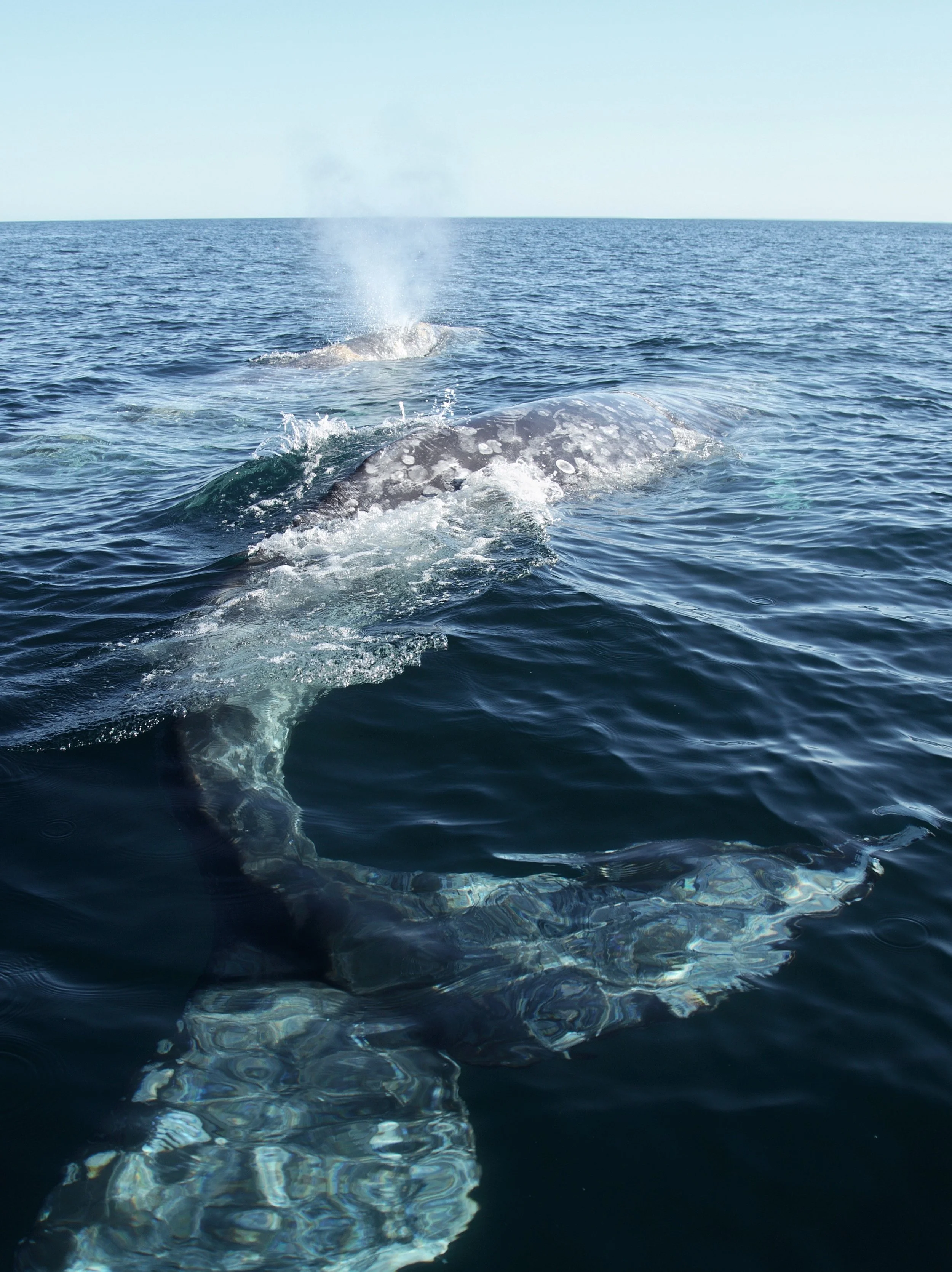
What sets gray whales apart is their curious nature. Unlike other species that tend to keep their distance, many approach small boats on their own initiative, as if seeking human contact. This phenomenon has turned Baja into a unique sanctuary where encounters are close, intimate, and deeply emotional.
When Is the Best Time to Travel to Baja
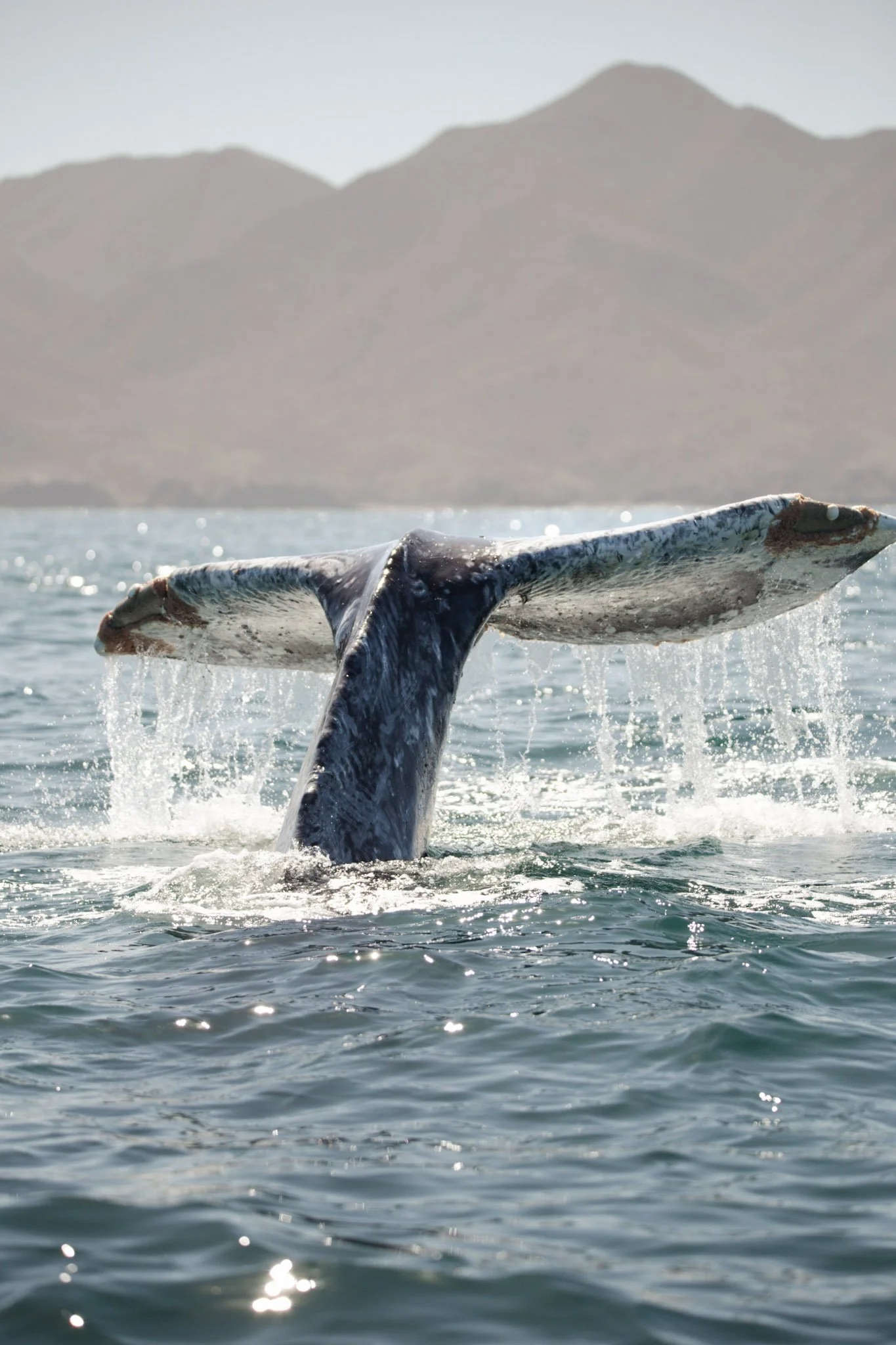
The whale-watching season begins in late December and runs through April. However, not every month offers the same experience:
- December and January: arrival season; the first groups are seen entering the lagoons.
- February and March: peak of the season, with large gatherings and active calves.
- April: the whales begin their return migration, but mothers with straggling calves can still be seen.
If you’re looking for the best combination of pleasant weather and an abundance of whales, February and March are the ideal months.
Where to See Gray Whales in Baja California Sur
Baja offers several key destinations, each with its own unique charm:
- Laguna San Ignacio – World-renowned for its “friendly whales,” which approach boats to interact with visitors. It’s a remote spot, perfect for those seeking an authentic experience.
- Laguna Ojo de Liebre (Guerrero Negro) – Home to the largest concentration of gray whales in the world. Here you can see dozens on a single outing.
- Magdalena Bay – A scenic bay surrounded by mangroves and dunes, where whale sightings are combined with spectacular scenery and other activities such as birdwatching.
Tips for Planning Your Experience
- Book early: Capacity is limited by law to ensure conservation.
- Be prepared for the weather: Mornings can be cold and windy; pack layers of clothing.
- Choose responsible operators: prioritize those who work with local communities and comply with regulations.
- Enjoy more than just the whales: explore the mangroves, sample the local cuisine, and take the opportunity to stay at nearby eco-camps.
Why Baja Is Unbeatable
There are many places in the world where you can see whales, but none like Baja. Here, you don’t just watch them from afar—you have the chance to look them in the eye, feel their breath, and even have them reach out for your hand. The combination of natural history, conservation, and human connection makes this one of the most extraordinary experiences on the planet.
👉 Dare to experience it with our Gray Whale Safari and become part of this millennia-old tradition that connects humans with the giants of the ocean.