
La Ventana, Baja California Sur: Wind, the Sea of Cortez, and the Spectacle of the Manta Rays
February 20, 2026
Where is La Ventana, and what makes it special?
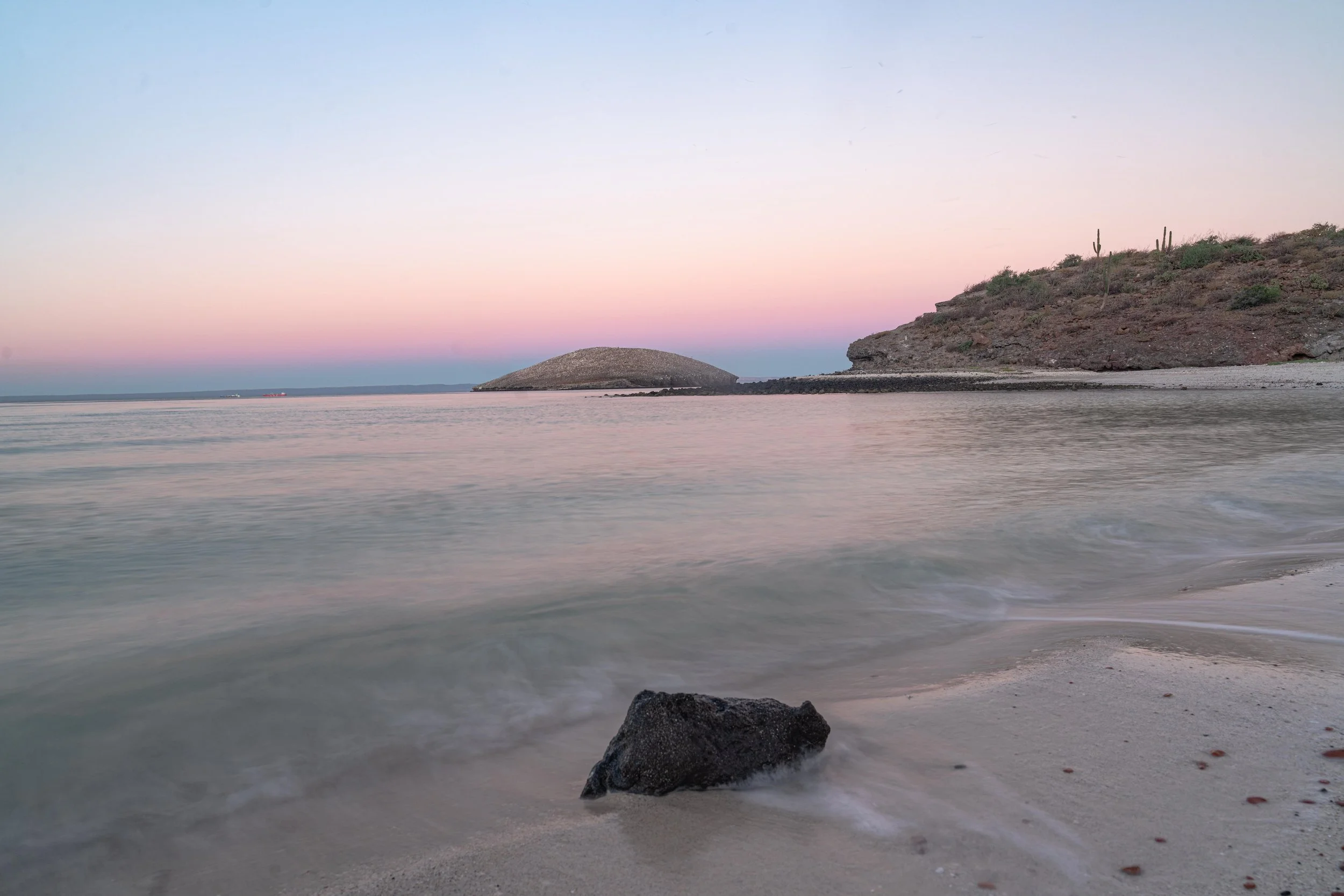
La Ventana is a small coastal town located about 40 minutes south of La Paz, in Baja California Sur. The Sea of Cortez stretches out before it—a body of water Jacques Cousteau called “the world’s aquarium” because of its extraordinary biodiversity.
At first glance, La Ventana seems like a simple place: dirt roads, low-rise houses, an open horizon, and a way of life centered around the sea. But beneath that tranquil exterior lies one of the most dynamic marine hotspots in the Gulf of California.
Three unique elements come together here:
- Consistent seasonal winds
- Nutrient-rich waters
- Proximity to the deep waters of the Sea of Cortez
This combination makes La Ventana a strategic spot for both wind sports and world-class marine encounters.
The Sea of Cortez: One of the Richest Ecosystems on the Planet
The Sea of Cortez is home to more than 900 species of fish and dozens of marine mammals. Its geography—with seafloors that drop steeply to great depths—creates ideal conditions for a concentration of marine life.
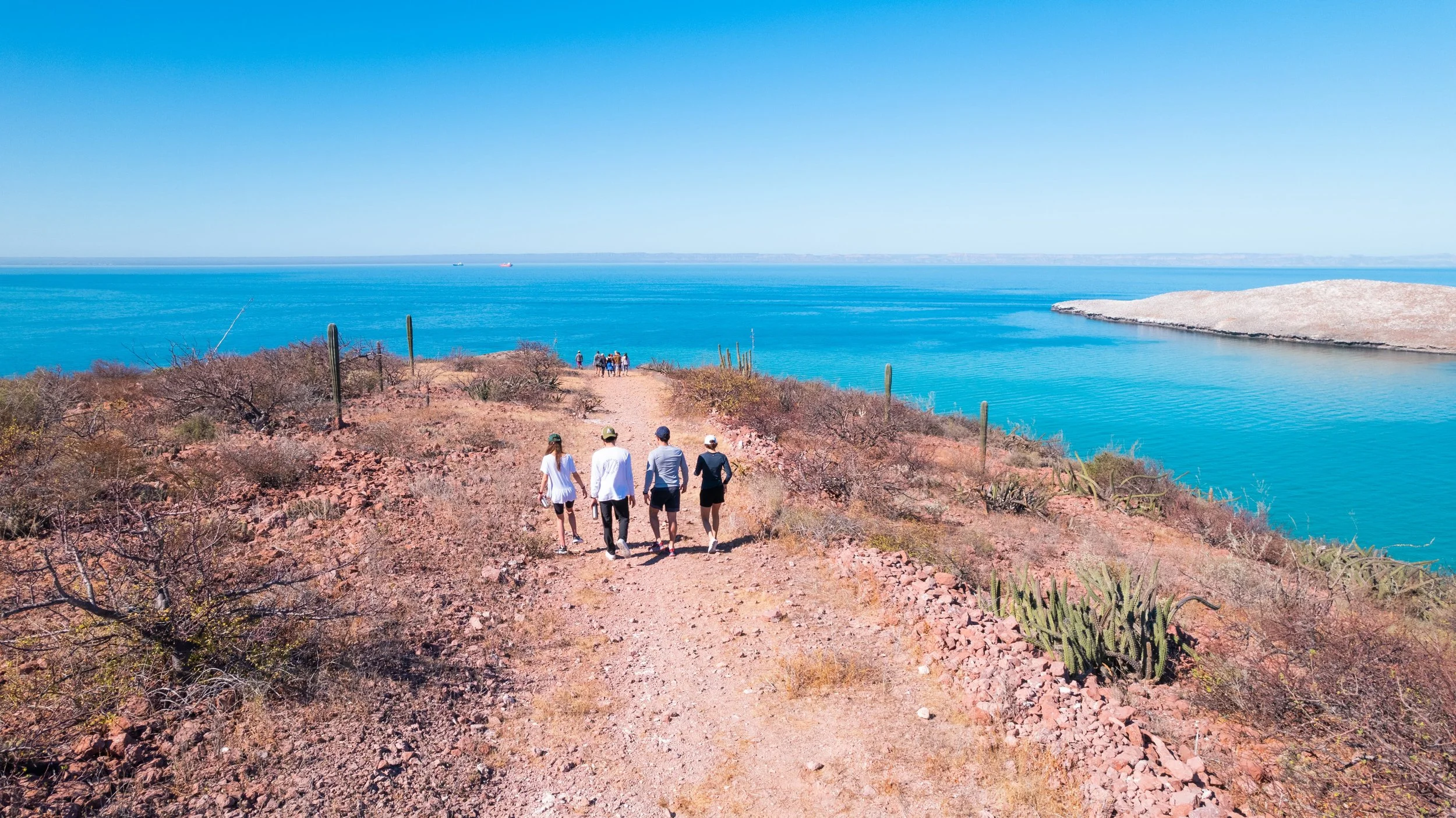
In La Ventana, the contrast is striking: arid mountains behind and an intensely blue sea ahead. That transition between desert and ocean is part of what makes Baja so unique.
Depending on the season, the following can be found in these waters:
- Dolphins
- Sharks
- Sea turtles
- Whales passing through
- Large schools of pelagic fish
But there is one phenomenon that stands out above all others: the mobula ray aggregations.
Manta Rays at La Ventana: An Extraordinary Natural Spectacle
Every spring and early summer, the waters off La Ventana fill with thousands of manta rays.
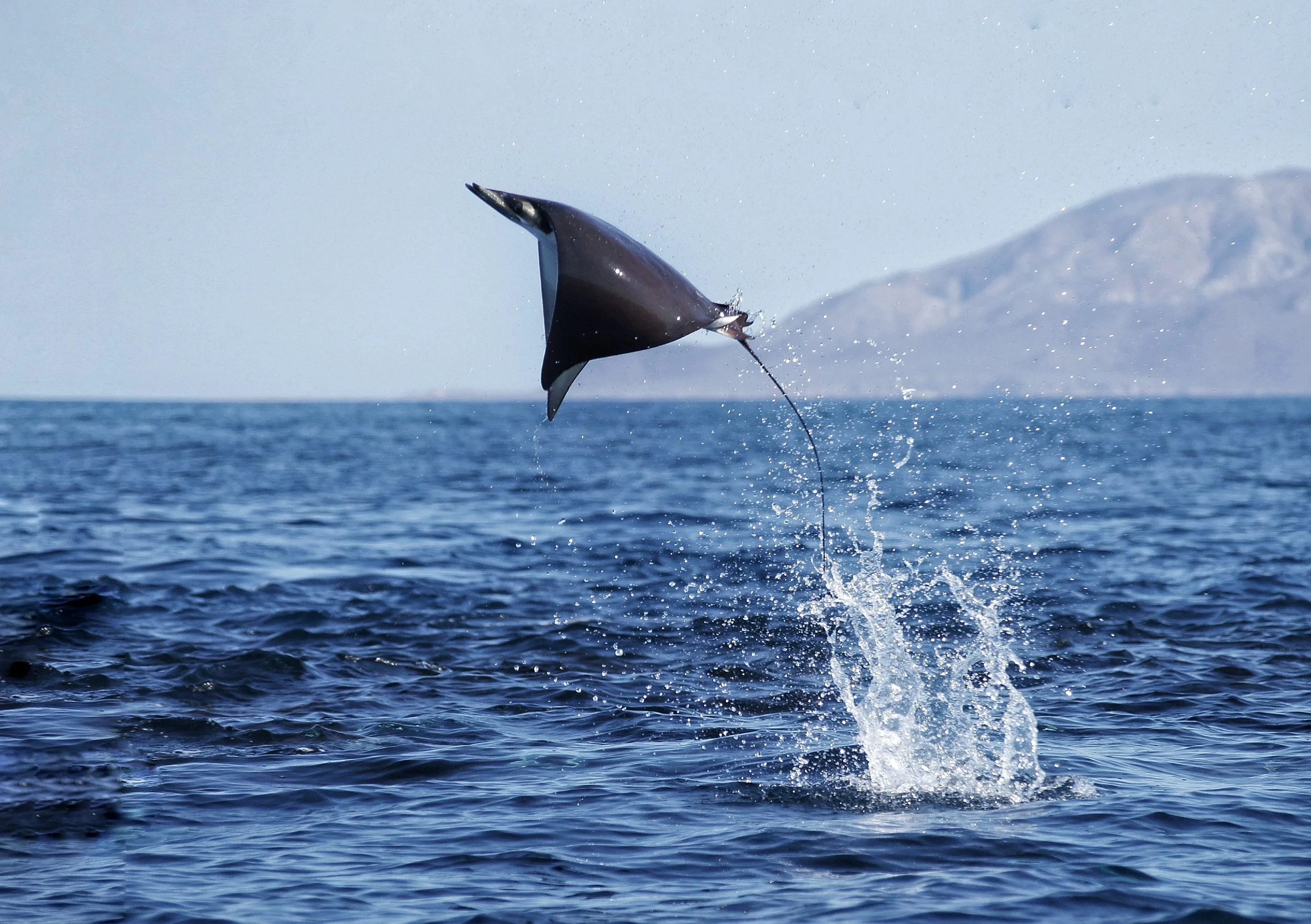
Known as “devil rays” because of the shape of their head fins, mobula rays form giant schools that swim in unison and, at times, leap out of the water in sync. Seeing hundreds of them rise out of the water at the same time is one of the ocean’s most breathtaking spectacles.
When is manta ray season?
Generally from May to July, although they can begin to be spotted as early as April, depending on sea conditions and water temperature.
During this season, you can:
- Swim among massive schools
- Snorkel surrounded by hundreds of manta rays
- Freedive for closer, quieter encounters
- Witness synchronized leaps at the surface
Swimming with manta rays is neither an aggressive nor chaotic experience. It is elegant, fluid, and deeply aesthetic. Underwater, the school’s movement resembles a perfectly rehearsed choreography.
Beyond the manta rays: the energy of La Ventana
La Ventana is also internationally recognized as one of the world’s best destinations for:
- Kitesurfing
- Windsurfing
- Wingfoiling
During the winter, thermal winds attract athletes and travelers from around the world. This has fostered a diverse international community, yet the town retains its laid-back and authentic character.
Life here is simple:
- Sunrises over the ocean
- Long afternoons by the water
- Clear skies and starry nights
- Small restaurants serving fresh seafood
It’s a destination where luxury lies not in the infrastructure, but in the direct connection to the natural surroundings.
Conservation and Responsible Tourism in La Ventana
Mobula rays are sensitive animals. They are particularly vulnerable to:
- Disruptive interactions in the water
- Boats that block their movement
- Excessive bubbles from diving
- Unregulated mass tourism
That’s why how this experience is conducted is key.
A responsible approach involves:
- Small groups
- Maintaining an appropriate distance
- Not chasing the animals
- Respecting their natural paths
- Using biodegradable sunscreen
- Prioritizing snorkeling or free diving over scuba diving
When tourism is managed ethically, it becomes a tool for protecting what makes the place special.
How to Plan Your Trip to La Ventana
Some practical recommendations:
- Fly to La Paz and consider arriving at least one day before your trip begins.
- Choose your season based on what you’re looking for:
- Winter → wind sports
- Late spring and early summer → manta rays
- Bring a lightweight wetsuit (the water can be cool in the morning).
- Be prepared for long days at sea and sun exposure.
La Ventana is not a traditional luxury destination. It’s a place for those who value authenticity and nature in its purest form.

Our Manta Ray Experience in La Ventana
At Akampa, we designed our experience in La Ventana with a clear goal: to experience the manta ray phenomenon with depth, respect, and a genuine connection.
Our expedition is designed to:
- Strategic outings in search of large schools of manta rays
- Small groups to minimize our impact
- Snorkeling and free diving as the primary forms of interaction
- Expert interpretation of the ocean and animal behavior
- A clear focus on conservation and education
It’s not just about “seeing manta rays.” It’s about understanding the moment, the ecosystem, and the responsibility that comes with being there.
La Ventana is one of the few places in the world where you can swim surrounded by hundreds of manta rays in the wild. When the school envelops you and their movement becomes a collective one, you realize you’re witnessing something truly exceptional.
👉 Discover our manta ray experience in La Ventana and experience one of the most breathtaking marine encounters on the planet with an authentic and responsible approach.