

Where to See Manta Rays (and Orcas) in Mexico
August 31, 2025
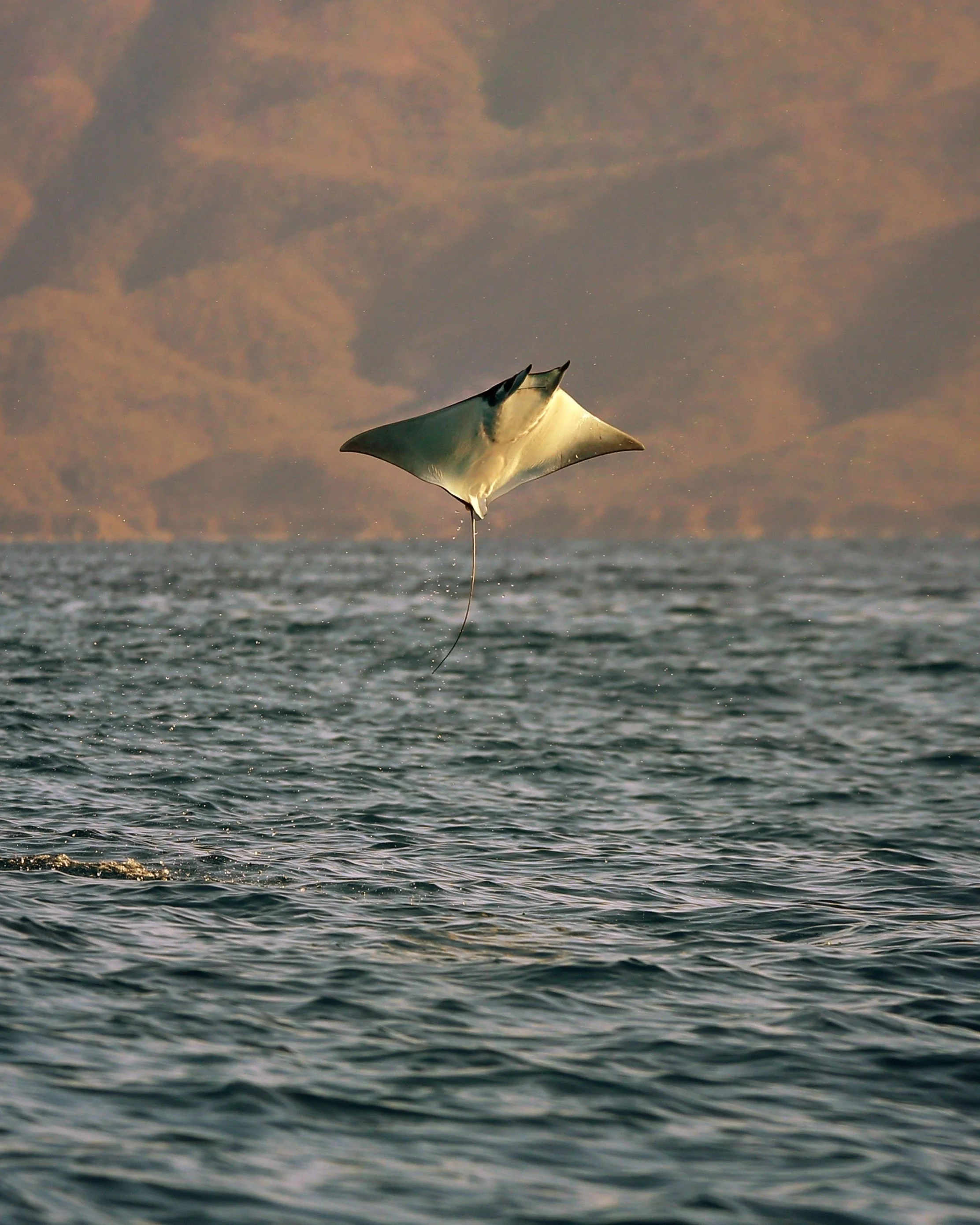
The Manta Ray Spectacle
Every spring, the waters off Baja California Sur become the setting for a little-known but fascinating phenomenon: manta ray aggregations. These rays, nicknamed “devil rays” because of their horn-shaped head fins, form groups of hundreds or even thousands of individuals that swim and leap out of the water in unison.
Scientists believe these leaps are part of mating rituals or a form of communication among the species. For travelers, it’s an unforgettable experience: being surrounded by a school of manta rays gliding gently beneath your feet is one of the most elegant and powerful sights the ocean has to offer.
Season and Top Destinations
The best time to see manta rays in Baja California Sur is from May to July, although some sightings can occur as early as April. The top spots to experience this phenomenon are:
- La Ventana – Recognized as one of the best places in the world to swim with massive schools of manta rays.
- Cabo Pulmo – A protected marine park where manta rays coexist with sharks, sea turtles, and reefs teeming with life.
- Isla Espíritu Santo – A natural area within the Gulf of California Biosphere Reserve, where sea lions and tropical fish also abound.
Each of these destinations combines the chance to see manta rays with breathtaking landscapes: pristine beaches, turquoise waters, and starry skies that make the trip a truly immersive experience.
How to Enjoy the Experience
- Snorkeling: ideal for those who don’t scuba dive; manta rays usually swim at shallow depths.
- Freediving: a quiet and respectful way to approach them without bubbles, perfect for underwater photographers.
- Scuba diving: allows you to explore nearby reefs and encounter other marine species in addition to manta rays.
Local guides know how to read the animals’ behavior to ensure safe, low-impact encounters.
The Unexpected Bonus: Orcas in Baja California Sur
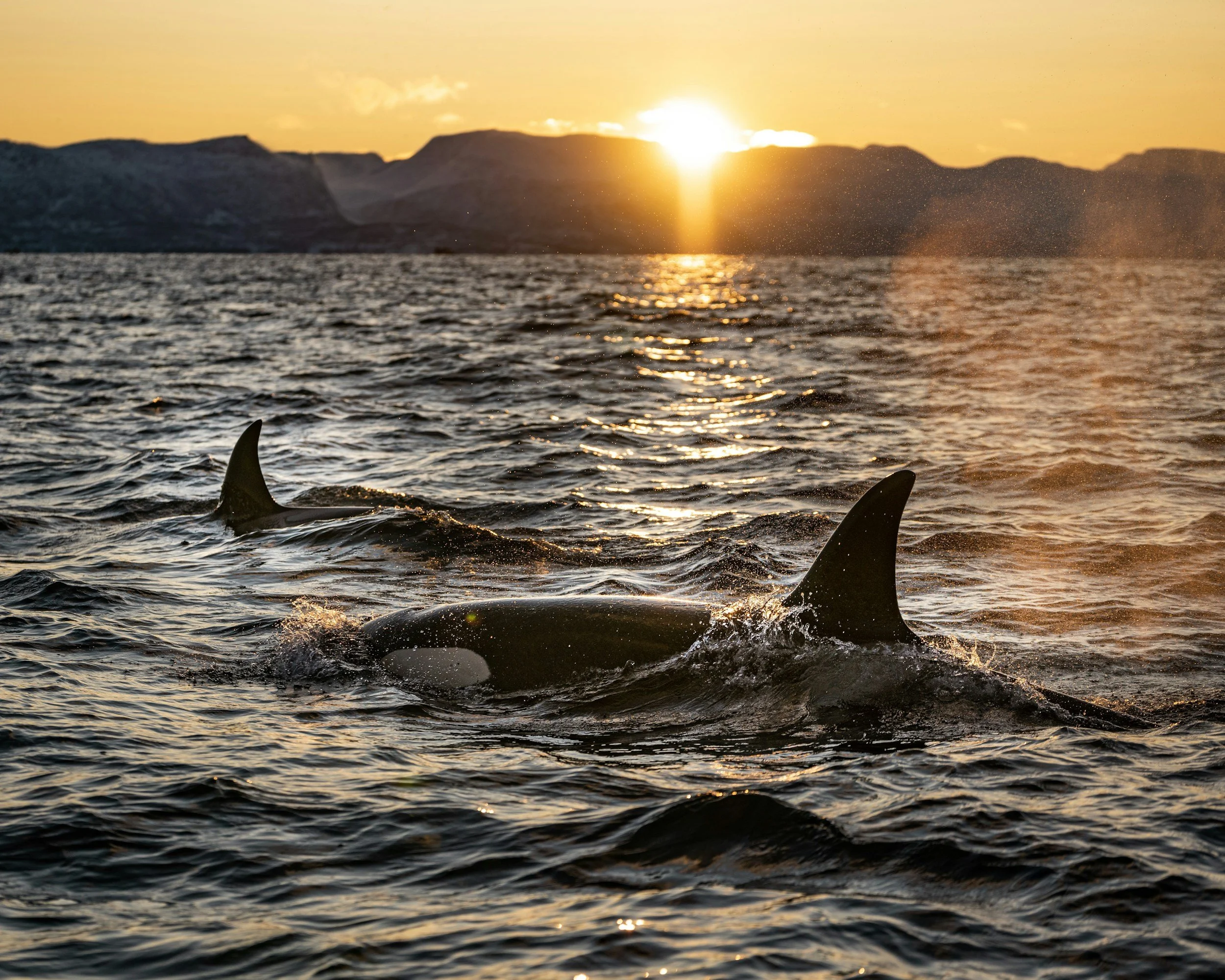
Although manta rays are the main attraction, the luckiest travelers may witness something even more special: the appearance of orcas in the area.
Orcas, also known as “killer whales,” are opportunistic predators that visit the Gulf of California in search of prey. Occasionally, they coincide with large gatherings of mobula rays, offering an extraordinary spectacle: orcas hunting among schools of rays.
This type of encounter is considered one of the most sought-after in the nature tourism industry, as orcas are highly intelligent animals that are difficult to predict. Seeing them in the wild, interacting in their natural habitat, is a privilege that few travelers experience.

Why the combination of manta rays and orcas is unique
- Exclusivity: While destinations like Norway and Antarctica are famous for orcas, Baja California Sur offers the chance to see them in a warmer and more accessible environment.
- Biodiversity: On a single expedition, you can see everything from manta rays and sharks to orcas, dolphins, and whales.
- Immersive experience: The chance to swim with manta rays and, during the same season, witness orcas makes Baja a world-class destination for ocean lovers.
Tips for Maximizing Your Chances
- Choose flexible expeditions: Some itineraries are designed to change course if there are reports of orcas in the area.
- Travel during peak season: From May through July, not only are manta rays present, but there’s also a higher chance of encounters with other large pelagic species.
- Stay informed: Local guides often share recent sightings, increasing your chances of success.
Travel Responsibly
Both manta rays and orcas require responsible tourism practices:
- Maintain a safe distance and do not get in their path.
- Use biodegradable sunscreen.
- Avoid sudden movements or noises that could disturb their behavior.
- Follow the instructions of certified guides.

Knowing where they are is half the battle. The other half is what to do once you’re in the water with them, and we cover that separately in How to Swim with Manta Rays in La Ventana. ## Why You Can’t Miss It Mobula gatherings are, in and of themselves, one of the Sea of Cortez’s best-kept secrets. But the chance to add orca sightings to the itinerary makes this a truly one-of-a-kind experience on a global scale. Few destinations offer such concentrated biodiversity in such a small area, and with such easy access. 👉 Experience the extraordinary on our Mobula and Orca Expeditions and become a privileged witness to one of the most impressive marine spectacles on the planet.