
Experiences
Humpback Whale Sightings in Mexico: Where and When
August 27, 2025
The Acrobats of the Ocean
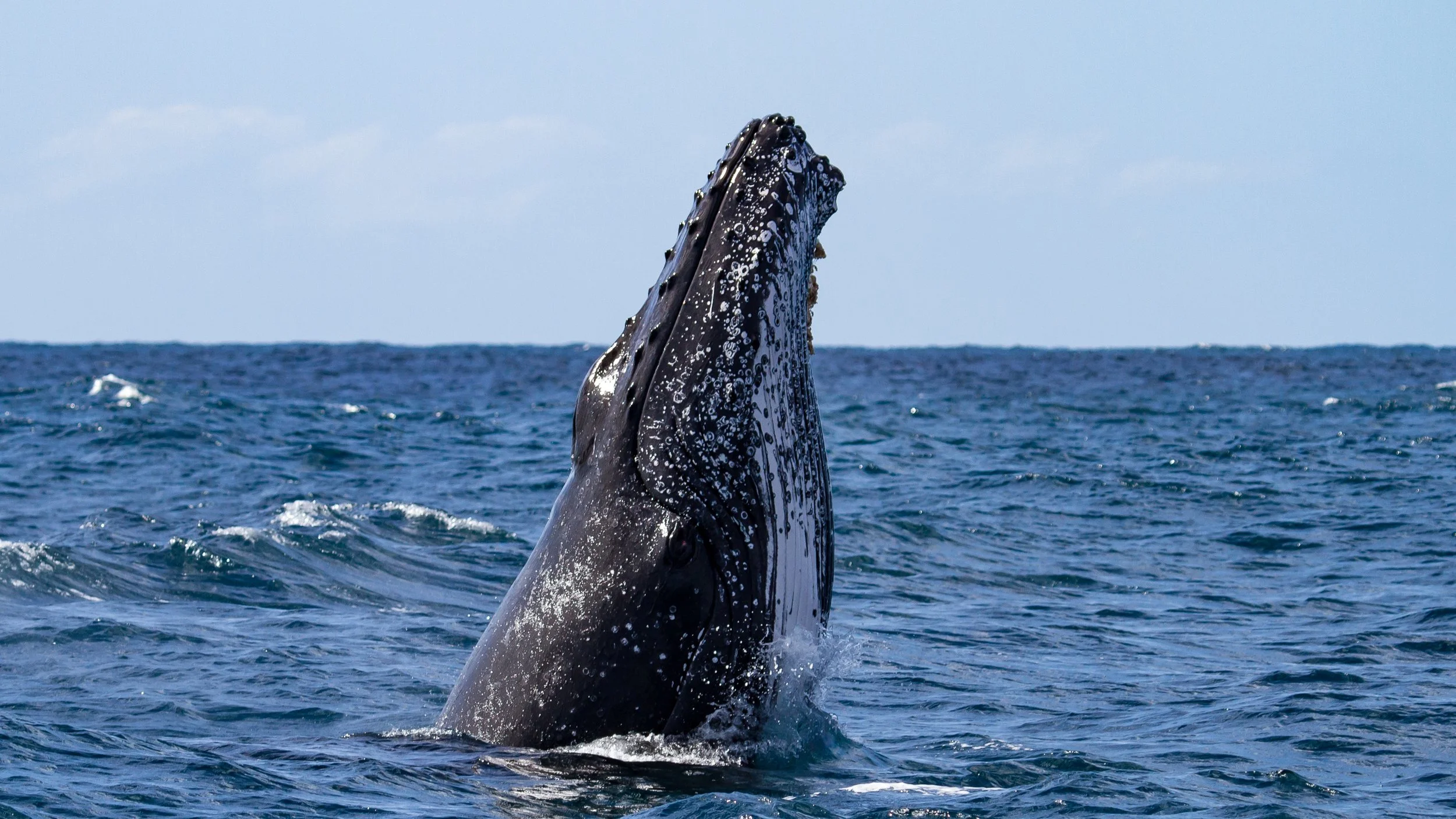
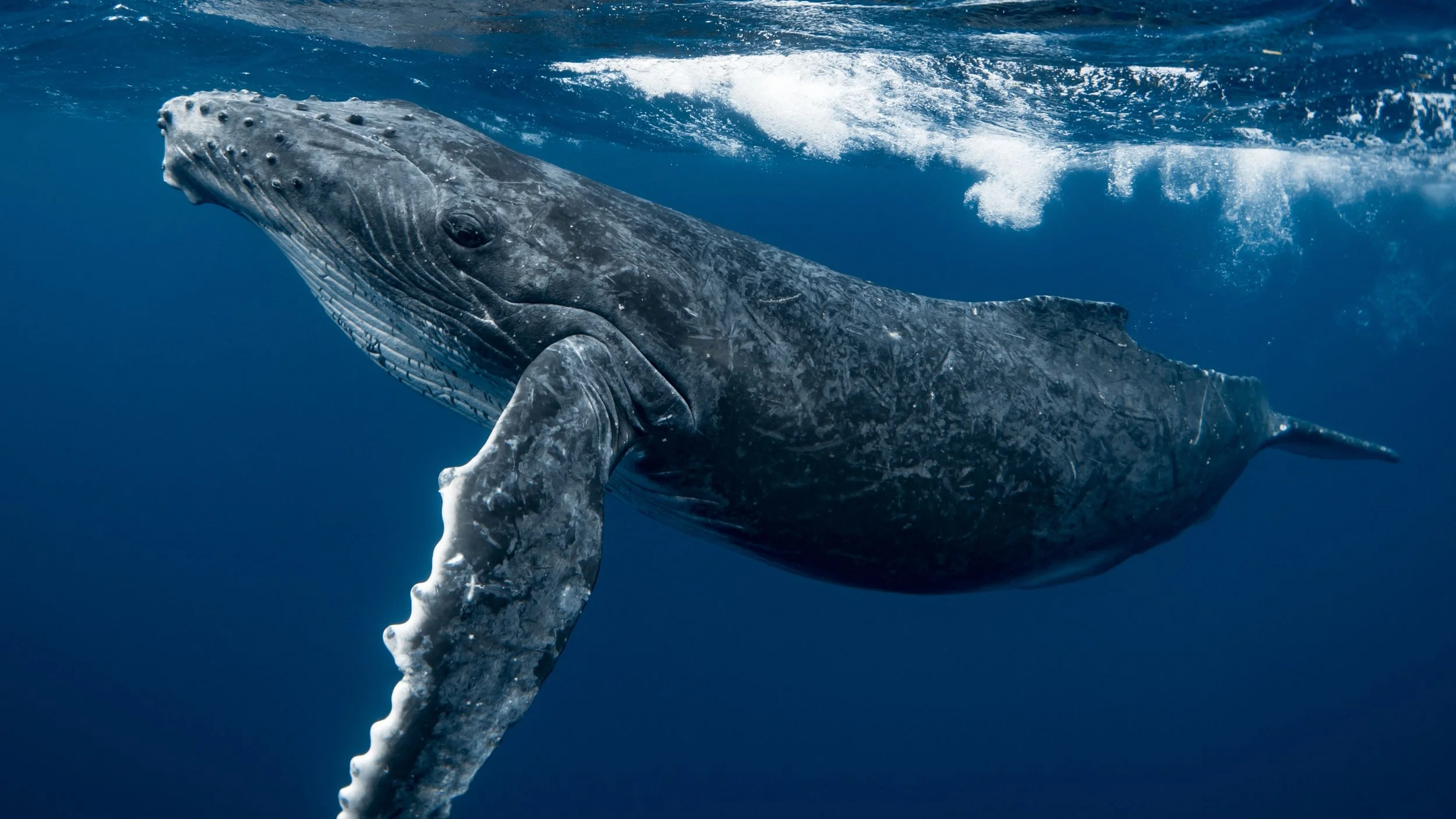
Humpback whales are famous worldwide for their spectacular behavior. They can leap up to 10 meters out of the water, slap their pectoral fins forcefully, and emit complex songs that last up to 20 minutes. These songs, produced only by males, are part of their mating rituals and are considered one of the most sophisticated forms of animal communication.
In addition, humpback whales play a crucial role in the health of the oceans. As they migrate between different regions, they transport nutrients that fertilize the sea and benefit other species. Seeing them in action is not only exciting—it’s also a reminder of the delicate balance of marine ecosystems.
When to See Humpback Whales in Mexico
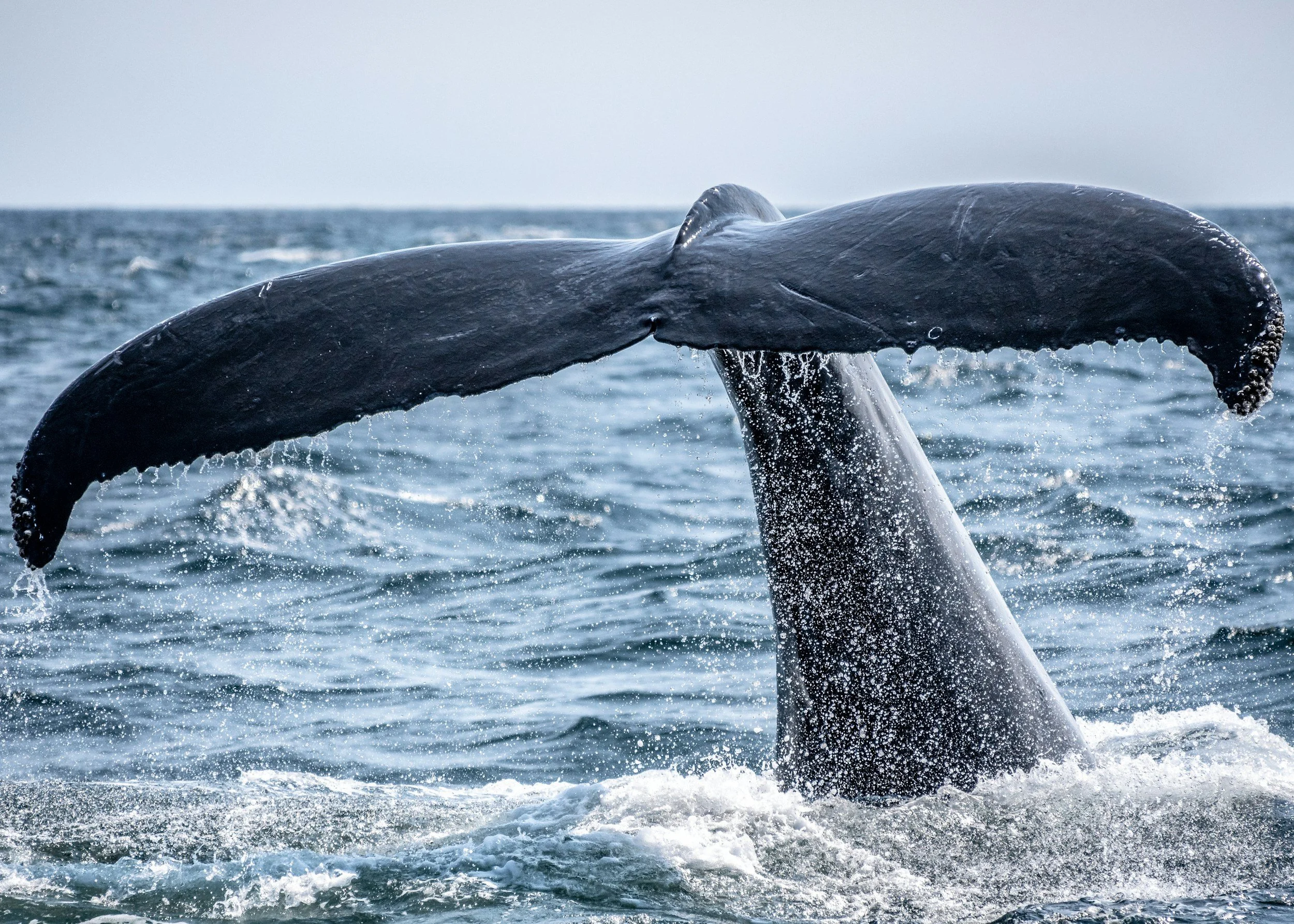
The season runs from December through April, with peak activity in January and February. During those months, you can witness:
- Males competing: groups of up to 10 whales chasing a female in impressive displays of strength.
- Breaching and spinning: common behaviors that look like choreographed dances in the ocean.
- Mothers with calves: tender scenes of learning and care.
Although April marks the end of the season, it’s still possible to see the last whales with their calves before they begin their journey back to Alaska.
Top Whale-Watching Destinations
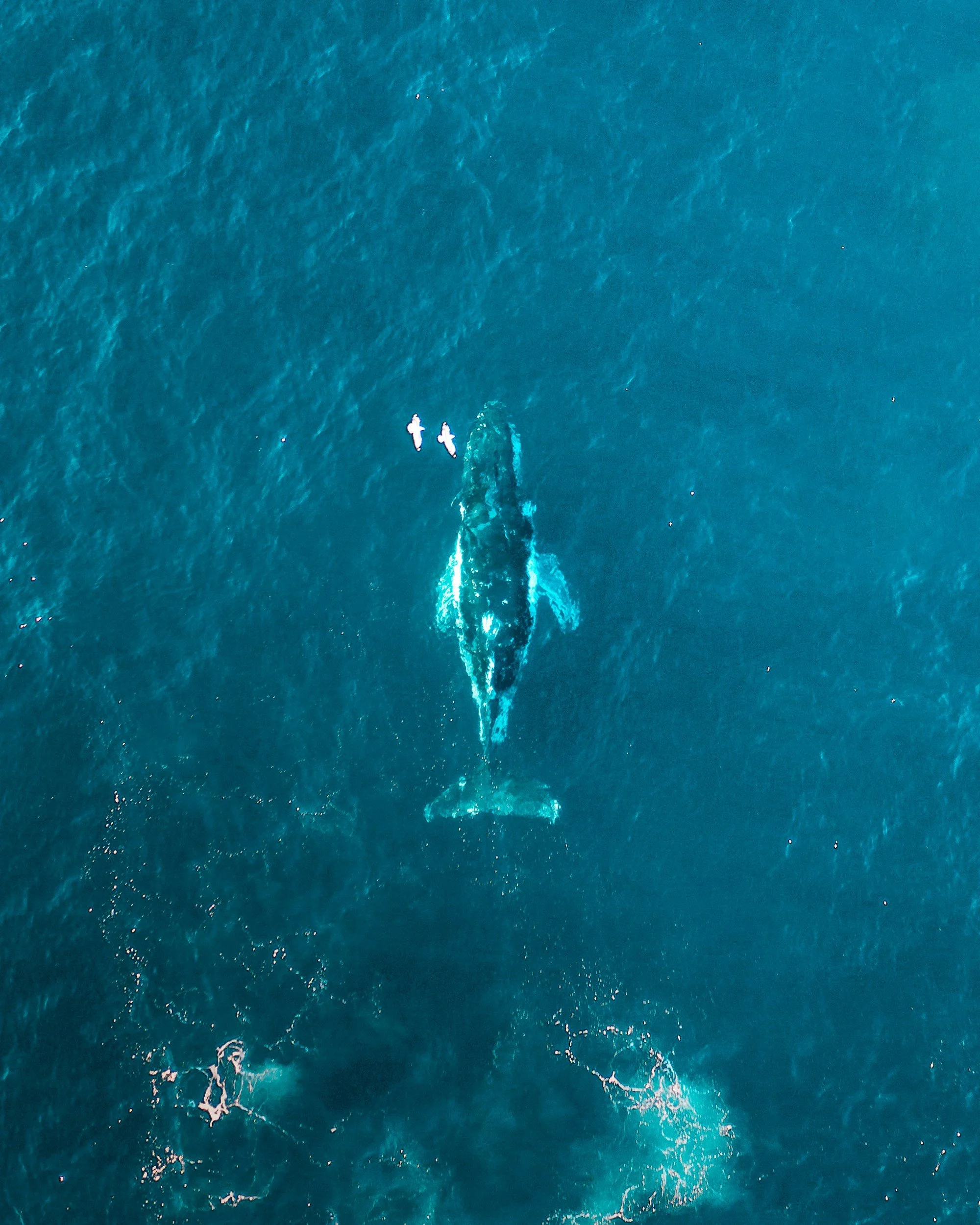
- Los Cabos – Combines luxury resorts with one of the busiest migration routes. Here you can see whales in both the Pacific Ocean and the Sea of Cortez.
- Puerto Vallarta and Banderas Bay – One of the most important spots on the Mexican Pacific coast, with hundreds of humpback whales congregating in calm waters, ideal for photography.
- Magdalena Bay – A remote and less touristy setting, perfect for those seeking unspoiled nature.
Tips for Responsible Whale Watching
- Hire certified operators who respect the minimum viewing distance.
- Choose small, quiet boats to minimize your impact.
- Avoid feeding or touching the animals; contact should be 100% natural.
- Choose tours that partner with researchers and conservation projects.
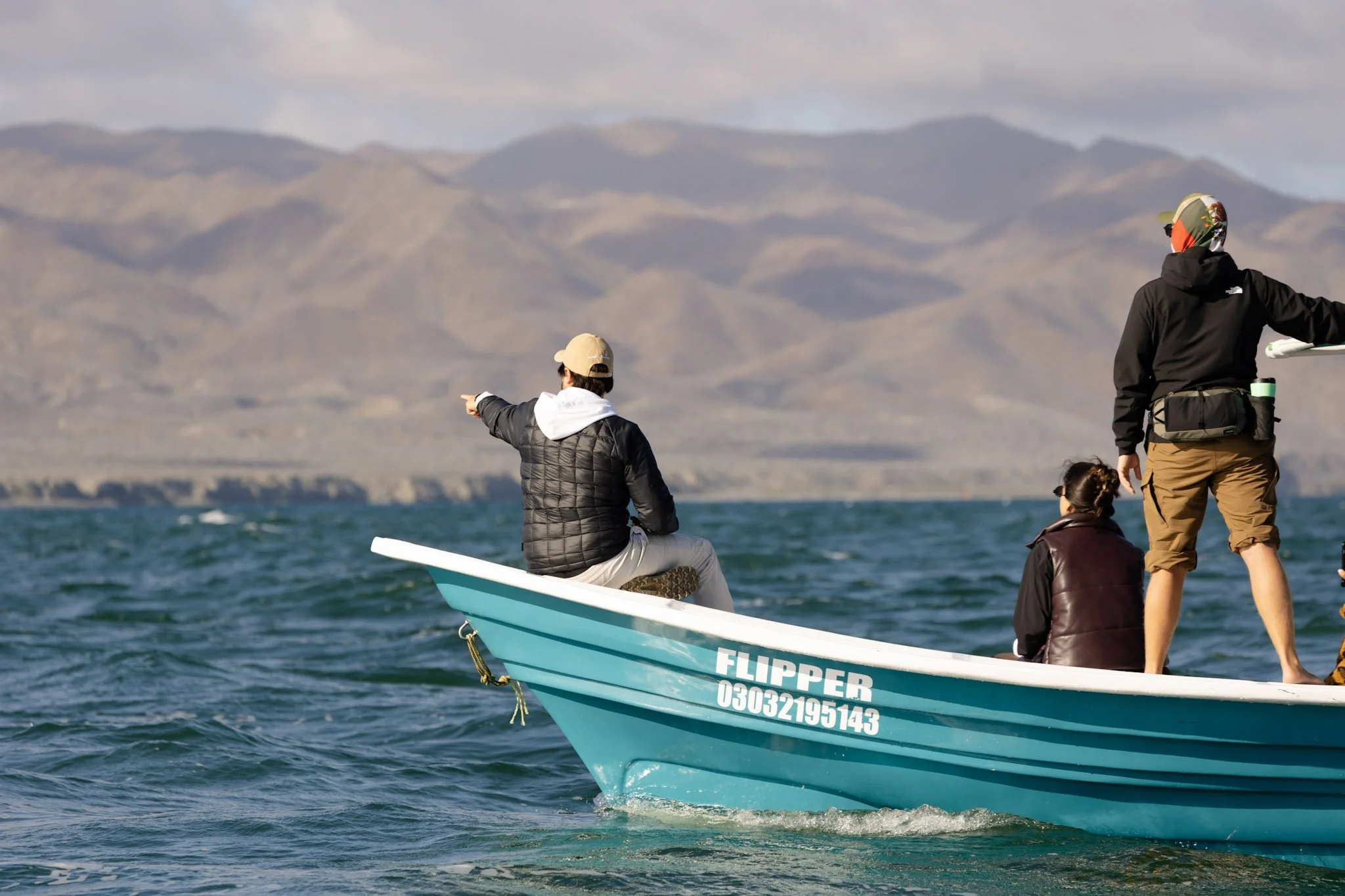
If you’re looking for a whale-watching experience without the fleet of boats in Los Cabos, we cover the off-the-beaten-path version of the season in Humpback Whales in Magdalena Bay.
Mexico: The Perfect Setting for Humpback Whales
Mexico stands out from other destinations because it offers a variety of landscapes for whale watching: from tropical bays to deserts that meet the sea. Plus, it’s one of the few countries where you can complement the experience with activities like scuba diving, snorkeling with manta rays, glamping on pristine beaches, or cultural exploration.
👉 Discover our Humpback Whale Expeditions and experience one of the most breathtaking spectacles on the planet.